
Micro-Habits That Reset Your Nervous System in Under 5 Minutes
 By Nick van der Linden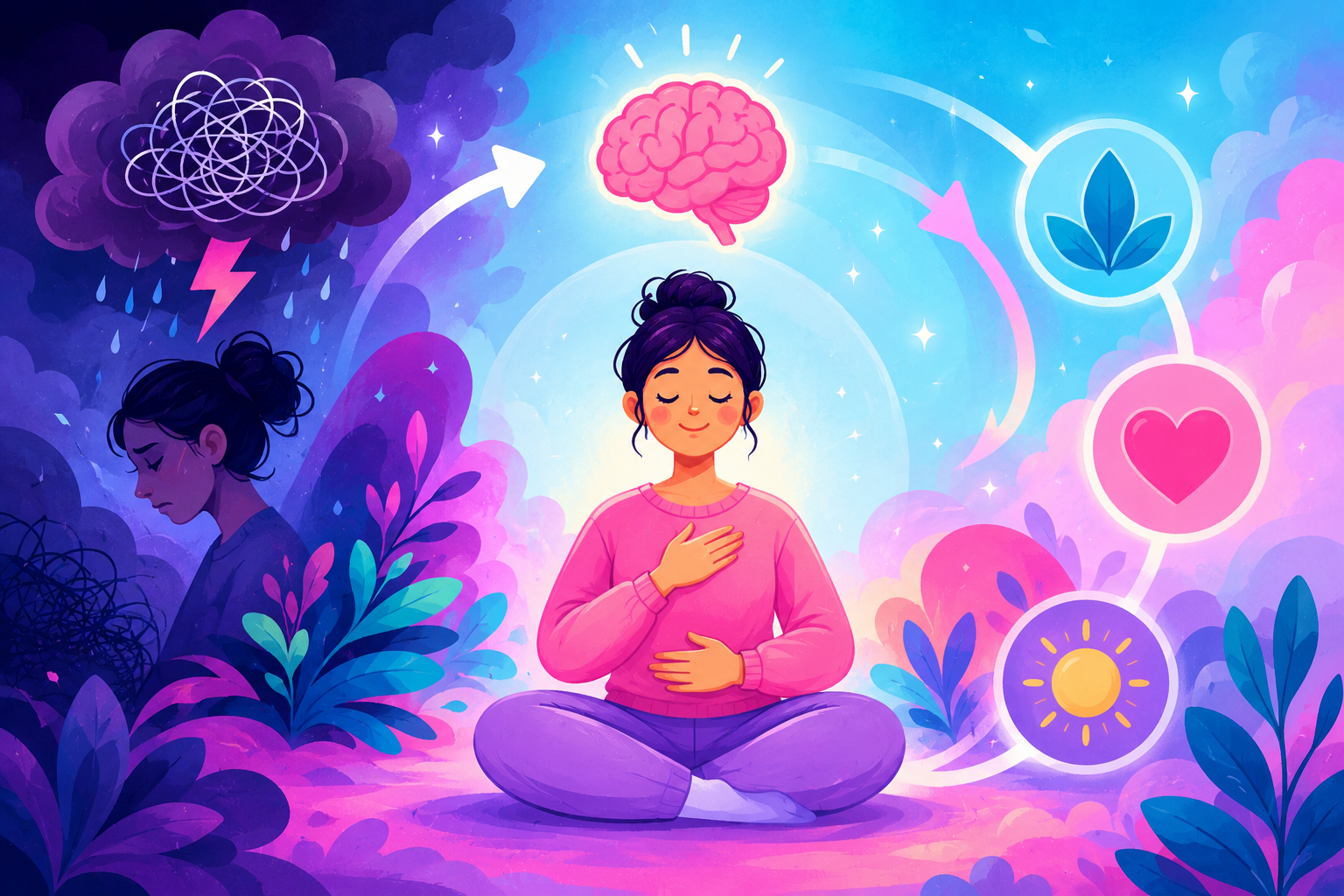
Most people know that chronic stress wears the body down. What is less well known is that the nervous system can be deliberately shifted out of a stress state in just a few minutes, using simple, well-researched techniques.
This is not about positive thinking or forcing calm. It is about understanding how your nervous system works, and using that knowledge to your advantage.
What happens in your nervous system when you are stressed
The autonomic nervous system has two main settings. The sympathetic system activates the body for threat or demand. The parasympathetic system supports rest, digestion, and recovery. Under chronic stress, many people spend too much time in sympathetic activation, with stress hormones like cortisol and adrenaline keeping the body on high alert.
This is not a malfunction. The body is doing exactly what it is designed to do. The problem is that modern stressors tend to be ongoing and psychological rather than brief and physical, so the natural off-switch does not always engage on its own.
Nervous system reset techniques work by giving the body a deliberate signal to shift into recovery mode. Small, consistent inputs that tell the brain it is safe to stand down.
The physiological sigh: a fast-acting nervous system reset
One of the most well-researched techniques for rapid nervous system regulation is the physiological sigh. It involves a double inhale through the nose followed by a long, slow exhale through the mouth.
Research from Stanford University found this specific breathing pattern is more effective at reducing physiological stress than sustained controlled breathing or mindfulness in the short term. The extended exhale activates the vagus nerve, which plays a central role in calming the body. Two or three repetitions can produce a measurable shift within 90 seconds.
Cold water exposure and the diving reflex
Brief cold water exposure, particularly to the face or wrists, activates the diving reflex. This is an ancient physiological response that slows the heart rate and calms the body in preparation for submersion.
Even 30 seconds of cold water on the face can interrupt a cycle of anxious thought and create a genuine shift in how alert and activated you feel. For people who find breathing exercises frustrating, this can be a useful and surprisingly effective alternative.
Body-based grounding for stress relief
Stress pulls attention inward and upward, into thinking, predicting, and worrying. Grounding techniques bring attention back to the body and the immediate environment, which activates different neural pathways and can interrupt the escalation of anxious thought.
Pressing your feet firmly into the floor, noticing the weight of your body in a chair, or holding something with a distinct texture are not simply distractions. They engage the body's sensory systems in ways that settle the nervous system's threat-detection circuitry. This works best when practised regularly rather than only during moments of high distress.
Slow breathing to activate the parasympathetic nervous system
Breathing is one of the few automatic body functions that can also be consciously controlled, which makes it a powerful tool for nervous system regulation. The key is the ratio of inhale to exhale.
A longer exhale relative to the inhale increases vagal tone and supports parasympathetic activation. Extending the exhale to roughly twice the length of the inhale, for example four counts in and eight counts out, can produce a meaningful calming effect within a few minutes. This is the physiological foundation behind many breathwork and mindfulness practices, reduced to its most practical element.
Humming and vagus nerve stimulation
The vagus nerve runs through the throat and chest, and gentle vibration in these areas may support its activation. Humming, singing quietly, or sustaining a low sound stimulates vagal pathways through both vibration and the breathing pattern involved.
This is less widely discussed but has a solid neurophysiological basis. It is also easy to incorporate into ordinary moments throughout the day.
Final thoughts
Your nervous system does not need an overhaul to work better. It responds to consistent, well-chosen inputs, and even brief, intentional techniques can shift your stress state meaningfully across the course of a day.
If stress feels like your baseline rather than a response to specific events, or if your capacity to recover between demands has noticeably narrowed, that pattern is worth exploring with a psychologist. Nervous system regulation micro-habits are genuinely useful, and they work best when used alongside a broader understanding of what your body is responding to.