
Couples Counselling in St Kilda, Melbourne
Evidence-based couples therapy guided by the Gottman Method, delivered in person at our St Kilda clinic or via telehealth anywhere in Australia. Improve communication, rebuild trust, and strengthen connection with a Gottman-trained, AHPRA-registered psychologist.
WHAT IS COUPLES COUNSELLING?
Structured support for the relationship you want.
Couples counselling is a form of therapy that supports partners in improving and strengthening their relationship. Through structured sessions with a trained psychologist, couples explore the patterns, emotions, and dynamics that shape their connection.
At Contemporary Psychology, sessions are guided by the Gottman Method, a leading research-based approach developed over four decades of relationship science. Our focus extends beyond resolving problems as they arise. We prioritise educating and empowering couples with practical, evidence-based tools focused on long-term relationship health.
Contrary to popular belief, couples counselling is not only for relationships in crisis. Many couples who are functioning well also find it valuable, whether they are preparing for major life transitions or simply wanting to strengthen their foundations. Most couples wait around six years after problems begin before seeking help. Starting early makes everything easier.
In practice, this means sessions are collaborative rather than something done to you. Your psychologist is not there to decide who is right, allocate blame, or tell you how to run your relationship. The role is closer to a trained guide who can see patterns that are difficult to spot from inside the relationship, and who can offer a structured, evidence-based way of working through them together.
COMMON REASONS COUPLES ATTEND
Communication difficulties, such as challenges expressing needs, listening deeply, or resolving disagreements without escalation. Many couples find that the same argument resurfaces in different forms, without either partner feeling truly heard.
Recurring arguments that lead to ongoing tension, with no clear resolution in sight. Over time these cycles can wear down goodwill even when both partners genuinely want things to improve.
Emotional disconnection or distance, resulting in a sense of isolation or feeling misunderstood, sometimes despite living, parenting, or managing a household together every day.
Navigating the aftermath of an affair or betrayal and working toward rebuilding trust, at a pace both partners can actually sustain.
Difficulties with physical or emotional intimacy that are affecting relationship satisfaction, which can be connected to stress, life stage, health, or unresolved emotional distance.
Preparing for major life transitions such as marriage, parenthood, relocation, or retirement, where it helps to align expectations before the transition rather than after.
Wanting to strengthen relationship foundations and build long-term connection proactively, without waiting for a specific problem to force the issue.
Navigating significant differences in values, parenting styles, or life goals, and working out where genuine compromise is possible.
BEFORE YOU BOOK
Common misconceptions about couples counselling.
"It means our relationship is failing."
Seeking support is far more often a sign of investment in the relationship than a sign it is doomed. Many couples who attend are functioning well and simply want expert support to communicate better, prepare for a transition, or address a specific recurring pattern before it grows.
"The therapist will take sides."
A trained couples therapist is not there to judge who is right. The focus is on the pattern between you, not on litigating individual disputes. Both partners are treated as equally valid participants in the process.
"We'll be forced to rehash every past conflict."
While history matters for context, sessions are structured around specific, current patterns and practical tools, not an open-ended excavation of every past disagreement. The Gottman Method in particular is forward-focused and skills-based.
"It only works if both partners are equally enthusiastic."
It is common for one partner to be more hesitant than the other, often out of nervousness rather than lack of care. Attending with an open mind, even with some reluctance, is a perfectly reasonable place to start.
WHY ST KILDA COUPLES CHOOSE US
A St Kilda clinic, not a directory listing.
Contemporary Psychology is based at G06-G07/22 St Kilda Road, St Kilda, not a citywide directory or a therapist working from a shared co-working space. If you and your partner would rather not travel across Melbourne for a sensitive first session, our clinic is a short trip from St Kilda East, Balaclava, Elwood, Ripponlea, and the surrounding bayside suburbs, with in-person and telehealth options for whichever suits you.
The practice was founded by Claudia Hounslow, a psychologist with over 18 years of clinical experience, and couples work here is led by a psychologist with specific Level 2 Gottman Method training, one of the most rigorously researched approaches to couples therapy available. We don't rely on patient testimonials to make that case (AHPRA rules rightly don't allow it for registered psychologists); we'd rather you judge us on the training, the method, and the transparency of our fees below.
Being part of a broader multidisciplinary clinic also matters in practice. If a couple's work surfaces something better suited to individual therapy, such as an underlying anxiety, trauma history, or an ADHD assessment for one partner, that support is available under the same roof rather than requiring a separate referral to a practice that doesn't know your history.
In St Kilda, not just Melbourne
A real clinic address on St Kilda Road, with parking and public transport access, plus telehealth if travel isn't practical for either partner.
Gottman Method (Level 2)
Specific, advanced training in couples work, not a generalist add-on service layered onto individual therapy training.
18+ years of clinical practice
Founded by Claudia Hounslow in a neuroscience-informed, evidence-based framework that shapes how the whole clinic works.
A structured, repeatable process
The same evidence-based intake and feedback structure for every couple, not an improvised approach that varies session to session.
YOUR COUPLES THERAPIST
Meet Lucy Adlard, Psychologist.
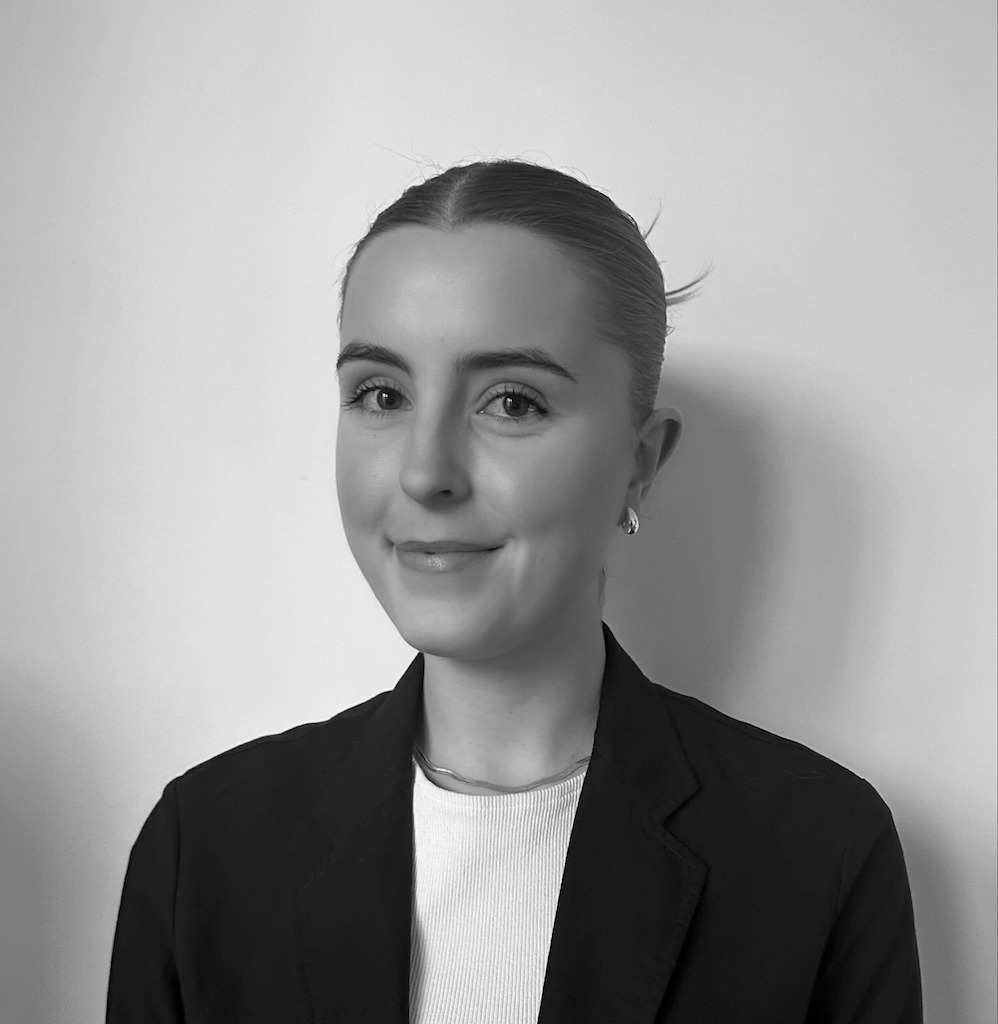
Lucy is Contemporary Psychology's dedicated couples therapist. Clients describe her as warm and grounded, with a natural ability to bring energy and insight into sessions. She is known for her respectful yet direct style, gently challenging stuck patterns and helping couples move toward meaningful change.
Lucy holds Level 2 Gottman Method training and has a particular interest in supporting couples working through relationship and attachment concerns. She brings a holistic, client-led approach, believing that therapy works best when both partners feel genuinely safe, heard, and comfortable being themselves.
Lucy also works with individuals on anxiety, emotional regulation, mood and personality concerns, life transitions, behaviour change, and LGBTQIA+ affirming support, drawing on Cognitive Behavioural Therapy, Acceptance and Commitment Therapy, Schema Therapy, and Dialectical Behaviour Therapy alongside her Gottman training.
Lucy sees couples in person Tuesday to Friday, and via telehealth Monday to Friday.
HOW IT WORKS
The assessment and session structure.
Gottman Method couples therapy begins with a structured intake process to understand your relationship fully before designing a personalised treatment plan.
90-minute joint intake session
Together, you and your partner explore your relationship history, current patterns, recurring conflicts, and shared concerns with your psychologist. This gives your therapist a comprehensive picture of your relationship before any intervention begins, including what's already working well between you.
Individual 30-minute sessions
Each partner then meets separately with the therapist in their own 30-minute private session. This gives each person space to discuss their individual perspective, emotional experience, and any personal concerns that shape the relationship dynamic, without needing to filter what they say in front of their partner.
A structured feedback session
Your therapist brings the joint and individual sessions together into a clear picture of your relationship's patterns and strengths, and discusses a tailored plan for ongoing work with both of you together.
Ongoing couples sessions
Sessions are then scheduled according to a collaboratively developed plan. The number of sessions varies depending on your needs, from short-term communication skills work to longer-term trust rebuilding, and typically include specific exercises to practise between sessions so progress continues outside the room, not just within it.
More detailed information about the process can be provided by our reception team or emailed on request.
Contact the ClinicWHY THE METHOD MATTERS
What makes the Gottman Method different from generic couples counselling.
Not all couples therapy is the same. Approaches vary widely in how structured they are, what they're actually based on, and whether they give you specific tools or general conversation. Here's what distinguishes the Gottman Method specifically, and why it's the framework Lucy works from.
Built on direct observation, not theory alone
The method developed from decades of research observing real couples in conversation, tracking which specific behaviours predicted whether a relationship would strengthen or break down over time. That research base is part of why the approach focuses on precise, identifiable patterns rather than general communication advice.
Treats friendship as clinically relevant
Many couples therapy approaches focus almost entirely on conflict resolution. The Gottman Method treats the quality of the underlying friendship, how well partners know each other's inner worlds, turn toward each other, and express fondness, as equally central to the work, not a side note to fixing arguments.
Structured, not open-ended
Sessions follow a defined structure with specific named concepts (the Four Horsemen, the Sound Relationship House, repair attempts) that give both partners a shared language for what is happening between them. This tends to make progress easier to track than open-ended talk therapy alone.
THE GOTTMAN METHOD
Four decades of relationship science.
The Gottman Method is one of the most rigorously researched approaches to couples therapy in the world. It is practical, evidence-based, and focused on building long-term relationship health, not just resolving immediate conflict.
Understanding your relationship
The process begins with a thorough understanding of your relationship's history, strengths, and patterns, mapped out in the intake process. The Gottman Method emphasises that a strong foundation of friendship and admiration is as important as conflict resolution skills, so early sessions look at what already works between you, not only what doesn't.
Addressing the Four Horsemen
Research identifies four communication patterns, criticism, contempt, defensiveness, and stonewalling, as particularly damaging. Sessions focus on recognising these patterns as they happen in real time, understanding what triggers them for each partner, and practising specific, evidence-based alternatives until they start to feel natural.
Building a shared meaning system
Couples who thrive long-term share rituals, goals, and a sense of purpose. This work goes beyond solving immediate problems to help you build a relationship that is genuinely enriching for both partners, including how you handle shared decisions, family, and the kind of future you're building together.
Practical, actionable tools
The Gottman Method is evidence-based and practical. You leave each session with concrete skills and strategies, not just insight. Over time, these become the foundation of how you communicate and connect, including specific exercises many couples continue using well after therapy has finished.
WHAT TO EXPECT OVER TIME
How progress in couples counselling usually shows up.
Every relationship is different, and we cannot promise a specific outcome. What we can describe is the kind of change couples typically notice as the work progresses, based on the structure the Gottman Method is built around.
Early on, many couples notice that arguments still happen, but escalate less quickly, because both partners have language for what is going wrong in the moment rather than only after it. Later, the focus usually shifts from managing conflict to actively building connection, using the specific tools and rituals introduced in session.
Progress is rarely a straight line. It is common to have a strong session followed by a difficult week at home. Your psychologist will check in on this directly and adjust the plan rather than assuming a single approach will work indefinitely for every stage of the process.
SIGNS THE WORK IS LANDING
Disagreements resolve faster, or at least don't escalate into the same damaging patterns as before.
Both partners can name what triggers them and what they need, rather than expecting the other to guess.
Repair after a conflict happens sooner, without one partner having to be the one who always gives in first.
There is more room for humour, warmth, and everyday connection, not just crisis management.
Both partners feel able to raise a concern without expecting it to turn into a bigger fight.
FEES AND REBATES
Session fees and Medicare rebates.
No referral is required to book. A Medicare rebate is available if one partner holds a valid Mental Health Treatment Plan from their GP.
| SESSION | DURATION | BEFORE 4PM | FROM 4PM |
|---|---|---|---|
| Session 1: Joint intake | 90 min | $360.00 | $370.00 |
| Session 2: Individual (per partner) | 30 min | $130.15 | $135.30 |
| Session 3: Joint session | 60 min | $310.00 | $320.00 |
| Session 4+: Ongoing sessions | 60 min | $260.30 | $270.45 |
Medicare rebate: $101.55 per individual session with a valid Mental Health Treatment Plan (MHTP). Couples counselling as a joint service is not directly funded by Medicare, but the MHTP rebate can significantly reduce out-of-pocket costs.
FREQUENTLY ASKED QUESTIONS
Common questions about couples counselling.
How much does couples counselling cost?
Fees vary by session type. The 90-minute joint intake session is $360.00 before 4pm and $370.00 from 4pm. Individual sessions (30 minutes, per partner) are $130.15 before 4pm and $135.30 from 4pm. The third joint session (60 minutes) is $310.00 before 4pm and $320.00 from 4pm. Ongoing 60-minute couples sessions are $260.30 before 4pm and $270.45 from 4pm. A Medicare rebate of $101.55 is available per individual session when one partner holds a valid Mental Health Treatment Plan from their GP. These fees are the same regardless of which stage of the process you are at, so there are no hidden costs introduced later. If you would like to estimate the total cost of the initial three-session assessment process before booking, our reception team can talk you through the combined cost based on your preferred appointment times.
Does Medicare cover couples counselling?
Medicare rebates apply when one partner holds a valid Mental Health Treatment Plan (MHTP) from their GP. The rebate of $101.55 applies to that individual's portion of the session. Couples counselling as a joint service is not directly funded by Medicare, but the MHTP rebate can reduce the out-of-pocket cost significantly.
Do both partners need to attend every session?
Not necessarily. The Gottman assessment process includes brief individual sessions for each partner separately. Ongoing therapy sessions are typically joint, but your therapist may recommend individual sessions at certain points depending on what is most clinically appropriate.
How many sessions will we need?
This varies depending on the nature of your concerns and your goals. Some couples make significant progress in 6 to 10 sessions. Others benefit from longer-term work. Your therapist will discuss realistic expectations with you early in the process and review them as you progress.
Do we need a GP referral to book?
No. You can book directly without a referral. A referral is only needed if you want to access a Medicare rebate via a Mental Health Treatment Plan. Our admin team can explain the process when you enquire.
Is couples counselling available via telehealth?
Yes. Sessions can be conducted via secure video platform, either together from one device or from separate locations. In-person sessions are available at our St Kilda clinic.
What if one partner is reluctant to attend?
This is common. You are welcome to contact us to ask questions, understand the process, or get guidance on how to approach the conversation with your partner. It can also help to attend an individual session first to clarify your own goals before raising the idea together. Reluctance is often about uncertainty rather than a lack of care, for example not knowing what to expect, feeling nervous about being judged, or worrying that counselling means something is fundamentally wrong. Many couples find that once the more hesitant partner understands the process is collaborative rather than about assigning blame, they feel considerably more comfortable attending. There is no requirement to have everything figured out before you book.
What is the Gottman Method and how is it different from other couples therapy?
The Gottman Method is a structured, research-based approach developed from decades of observational research into what actually predicts relationship success or breakdown, rather than theory alone. Unlike more generic talk-based counselling, it uses specific, named frameworks such as the Four Horsemen (criticism, contempt, defensiveness, and stonewalling) to identify exactly which patterns are damaging a relationship, and gives couples concrete tools and exercises to replace them, rather than general insight alone. This matters in practice because it means your sessions follow a consistent, evidence-based structure rather than an approach that varies depending on which issue comes up that week. Lucy, our couples therapist, holds Level 2 Gottman Method training specifically, which builds on the foundational training with more advanced clinical application for complex relationship presentations.
Do you see unmarried couples, de facto couples, or same-sex couples?
Yes. Couples counselling is available regardless of relationship structure, marital status, or how long you have been together, and is LGBTQIA+ affirming. What matters is that you are both committed to attending and working on the relationship together.
Can couples counselling help if we are not sure whether to stay together?
Yes. Not every couple who attends is working to stay together at all costs. Some couples use the process to gain genuine clarity about the relationship, including whether continuing together or separating is the healthier path, and if separation is the outcome, to do so with less conflict and more mutual understanding. This kind of work is sometimes called discernment counselling, and it is a legitimate and common reason to seek support in its own right, not a lesser use of therapy than couples who are certain they want to stay together. Being honest with your therapist about this uncertainty from the outset helps them support you appropriately, rather than assuming the goal is reconciliation at any cost.
What if we have tried couples counselling before and it did not help?
This is a common reason couples reach out to us specifically. Fit between the therapist and the couple, and the specific method used, both matter a great deal. If a previous experience felt unstructured or did not address your particular pattern, a structured, research-based approach like the Gottman Method can feel meaningfully different. We encourage you to share what did and did not work previously so we can approach the work accordingly.
Is what we say in sessions kept confidential from my partner or from third parties?
Standard psychologist confidentiality applies to third parties outside the relationship. Within couples work, the general expectation is that the joint sessions are a shared space, though individual sessions during the intake process are treated with appropriate discretion. Your psychologist will explain exactly how confidentiality works in your first session so there are no surprises.
Can we attend telehealth sessions from two different locations?
Yes. Telehealth sessions can be joined from one device together or from two separate locations if that suits your circumstances better, for example if one partner is travelling for work. Your psychologist will talk through the best setup for your situation when you book.
What happens after the initial three sessions?
After the joint intake, individual sessions, and feedback session, your psychologist will discuss a tailored ongoing plan with you both. Some couples continue weekly for a period, others move to fortnightly sessions as things stabilise. This is reviewed collaboratively as you progress, rather than fixed in advance.
Do you provide reports for family law or mediation purposes?
Couples counselling at Contemporary Psychology is a therapeutic service, not a forensic or medico-legal one. If you require a report for family law, custody, or mediation purposes, please raise this with your psychologist early, as it may require a different kind of assessment or a referral to a practitioner who specialises in that area.
Ready to invest in your relationship?
No referral required. Book a free intake call or go straight to an appointment. Couples sessions are available in person at our St Kilda clinic.
We do not offer bulk billing, prescriptions, or immediate crisis response. For urgent support, please call Lifeline on 13 11 14.
Couples counselling and relationship therapy available in St Kilda and surrounding suburbs including South Melbourne, Southbank, East Melbourne, Port Melbourne, Albert Park, Middle Park, Richmond, Cremorne, South Yarra, Hawksburn, Prahran, Windsor, Balaclava, Elwood, Ripponlea, Toorak, Armadale, Hawthorn, Kooyong, Glen Iris, Malvern, Malvern East, Caulfield North, Caulfield, Elsternwick, Gardenvale, Brighton East, and Brighton.