
Depression
Depression affects around 1 million Australians at any given time. It is more than sadness, and it is highly treatable with the right psychological support.
UNDERSTANDING DEPRESSION
More than persistent sadness.
Depression is a complex mental health condition that affects how a person thinks, feels, and functions in everyday life. It is not simply feeling sad or going through a difficult time. Depression involves persistent changes in mood, energy, motivation, and thinking that interfere significantly with daily life.
A range of factors may contribute to the development of depression, including genetic predisposition, life events, relationship difficulties, chronic stress, trauma, and physical health. Understanding the specific factors maintaining your experience is an important part of developing an effective treatment approach.
Psychological approaches including cognitive-behavioural therapy, behavioural activation, acceptance and commitment therapy, and interpersonal therapy have a strong evidence base for depression. Our psychologists take a collaborative approach, working with you to understand your experience and develop strategies that fit your life.
COMMON SYMPTOMS
Persistent low mood or sadness most of the day
Loss of interest or pleasure in activities once enjoyed
Significant fatigue or loss of energy
Changes in appetite, weight gain, or weight loss
Sleep disturbances: sleeping too much or too little
Difficulty concentrating, remembering, or making decisions
Feelings of worthlessness, guilt, or hopelessness
Withdrawal from friends, family, and social situations
Slowed thinking, movement, or speech
Thoughts of death or suicide
Not all of these will be present. Depression looks different for everyone. If several of these resonate and have persisted for more than two weeks, speaking with a psychologist is a worthwhile step.
OUR PSYCHOLOGISTS
Experienced in supporting depression.

Avi Winner
Psychologist
Avi brings a warm, collaborative approach to depression, helping clients understand the thoughts, behaviours, and circumstances that maintain low mood. He uses evidence-based frameworks including CBT and ACT and is known for his ability to build genuine therapeutic connection even with clients who feel withdrawn or disconnected.
View full profile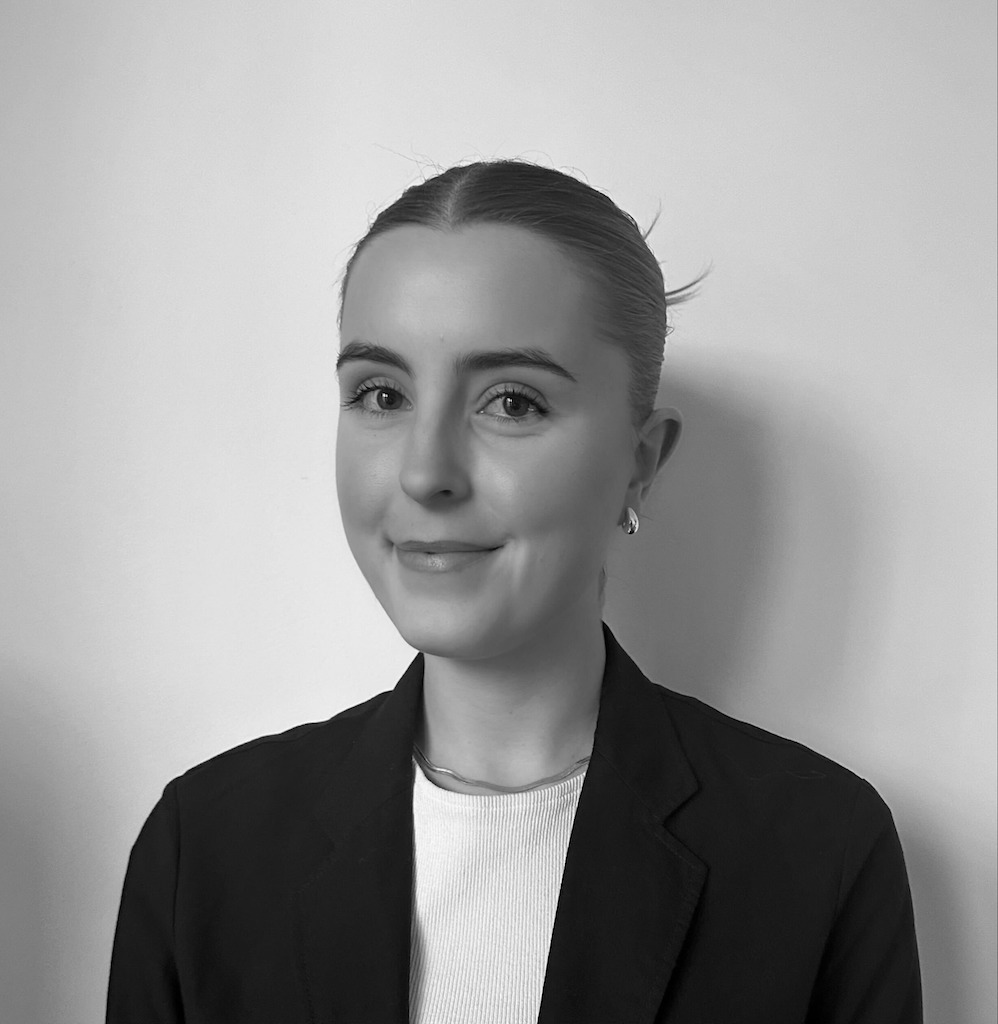
Lucy Adlard
Psychologist
Lucy works with depression from a relational, attachment-informed perspective. She helps clients explore the origins of low mood and develop both practical skills and deeper insight into the patterns that may be keeping them stuck.
View full profile
Rivkah Bendet
Psychologist
Rivkah offers a neurodivergent-affirming, trauma-informed approach to depression. She recognises that depression in autistic and ADHD individuals can present differently and require tailored approaches that go beyond standard protocols.
View full profile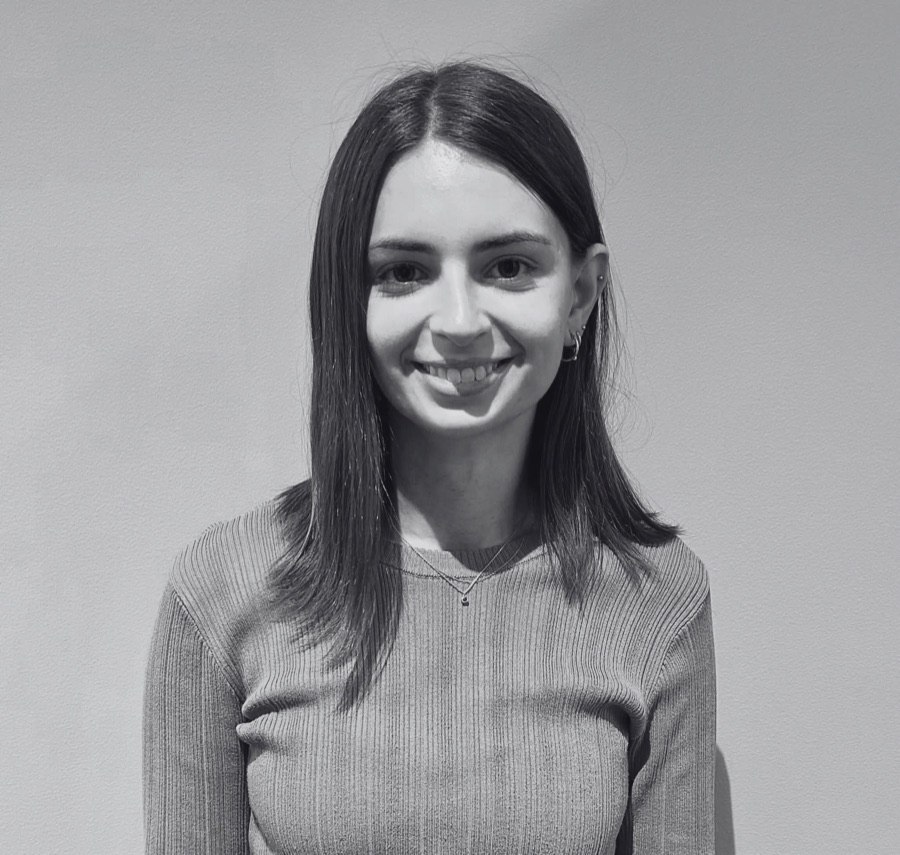
Bridget Kosmas
Provisional Psychologist
Bridget supports clients experiencing low mood and depression with a warm, collaborative approach. She integrates CBT, ACT, and mindfulness-based techniques to help clients understand the patterns maintaining their depression and build practical strategies for meaningful change.
View full profile
David Bokan
Psychologist
David supports clients experiencing depression with a collaborative, evidence-based approach. He draws on CBT, DBT, and ACT to help clients understand what is maintaining their low mood and develop practical strategies for re-engaging with a meaningful life. He has a particular interest in supporting men through depression.
View full profileFREQUENTLY ASKED QUESTIONS
Common questions about depression treatment.
Psychologists do not prescribe medication. Psychological therapy is effective for depression on its own, and for some people a combination of therapy and medication works better. If medication is worth considering, we can discuss it with you and refer you to a GP or psychiatrist. If you are in crisis, Lifeline is available 24 hours on 13 11 14.
There is no threshold you have to meet to be entitled to support. As a general guide, it is worth speaking to someone when low mood has persisted for weeks, when it is affecting sleep, work, appetite or relationships, or when things you used to enjoy no longer register. You do not need a diagnosis to book.
No. You can book directly with any of our psychologists without a GP referral. A referral is only needed if you want to claim the Medicare rebate, which requires a Mental Health Care Plan prepared by your GP. Appointments are available in person at our St Kilda clinic and by telehealth across Australia.
Sessions with our registered psychologists are $260.30 before 4pm and $270.45 from 4pm, and sessions with Bridget Kosmas, our provisional psychologist, are $100 before 4pm and $110 from 4pm. With a valid Mental Health Care Plan from your GP you can claim a Medicare rebate of $101.55 per session for up to 10 sessions per calendar year. The rebate is processed on the spot, so you pay the gap only. Medicare rebates apply to registered psychologists only, not to provisional psychologists.
Avi Winner, Lucy Adlard, Rivkah Bendet, Bridget Kosmas and David Bokan work with depression at our St Kilda clinic. You can read each of their profiles on our team page, or use our matching questionnaire if you would like help choosing.
You do not have to navigate this alone.
No referral required. Book an appointment online or start with a free intake call to discuss how we can help.
We do not offer bulk billing or immediate crisis response. If you are in crisis, please call Lifeline on 13 11 14 or attend your nearest emergency department.
FROM THE BLOG