
Anxiety Treatment and Therapy in Melbourne
Anxiety disorders are among the most common mental health presentations in Australia, affecting around 1 in 4 people at some point in their lives. With the right support, anxiety is highly treatable.
UNDERSTANDING ANXIETY
When worry becomes more than worry.
Anxiety is a natural human response to perceived threat. It prepares us to respond to danger and helps us perform under pressure. However, when anxiety becomes persistent, disproportionate, or significantly interferes with daily life, it may meet criteria for an anxiety disorder.
Anxiety disorders present across a spectrum of severity and type. What they share is a pattern of fear or worry that is out of proportion to the situation, and that tends to persist despite reassurance or rational challenge. Avoidance is often a key maintaining factor.
Effective treatment for anxiety typically involves understanding your specific presentation, addressing the thoughts and behaviours that maintain it, and building practical skills for managing distress. Our psychologists use evidence-based approaches tailored to your experience.
COMMON SIGNS OF ANXIETY
Persistent worry that feels difficult to switch off
Racing thoughts, especially at night or in quiet moments
Physical symptoms: tension, racing heart, shortness of breath
Avoiding situations that trigger fear or discomfort
Difficulty concentrating or making decisions
Irritability, fatigue, or feeling on edge
Reassurance-seeking or repetitive checking behaviours
Anticipatory dread before events or situations
TYPES OF ANXIETY DISORDERS
Anxiety is not one thing.
Different presentations of anxiety have distinct features and respond best to different evidence-based approaches. Understanding your specific experience is the first step.
Generalised Anxiety Disorder (GAD)
Persistent, difficult-to-control worry across multiple areas of life, often accompanied by physical tension, fatigue, and difficulty concentrating.
Panic Disorder
Recurrent unexpected panic attacks involving intense physical symptoms such as racing heart, chest tightness, shortness of breath, and a sense of impending doom.
Social Anxiety
Intense fear of social situations and negative evaluation by others, leading to avoidance that can significantly limit daily life and relationships.
Specific Phobias
Marked fear of a specific object or situation that is out of proportion to the actual risk and leads to avoidance or significant distress.
Health Anxiety
Excessive preoccupation with having or developing a serious illness, despite medical reassurance, often driving repeated checking or avoidance of medical settings.
OCD and Related Presentations
Obsessive thoughts, urges, or images that drive compulsive behaviours aimed at reducing distress, often in a self-perpetuating cycle.
OUR PSYCHOLOGISTS
Experienced in supporting anxiety.

Avi Winner
Psychologist
Avi brings a warm, evidence-based approach to anxiety, with a particular interest in the intersection of anxiety and neurodivergence. He is skilled in CBT, ACT, and schema therapy and known for creating a genuinely safe space for clients to explore difficult experiences.
View full profile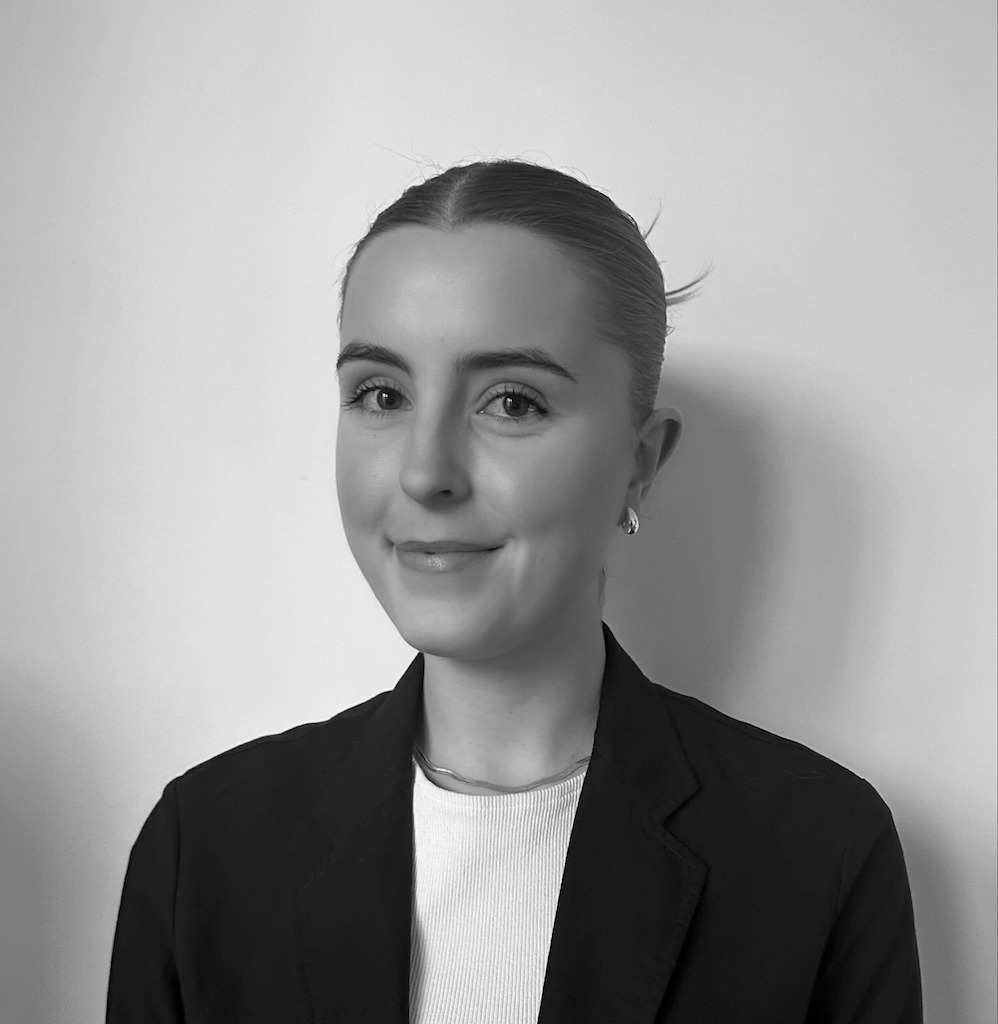
Lucy Adlard
Psychologist
Lucy works with anxiety using a relational, client-led approach. She integrates CBT, ACT, and attachment-informed therapy to help clients understand the roots of their anxiety and build sustainable strategies for change.
View full profile
Rivkah Bendet
Psychologist
Rivkah takes a neurodivergent-affirming approach to anxiety, recognising that anxiety often presents differently in autistic and ADHD individuals. She combines evidence-based frameworks with genuine curiosity and warmth.
View full profile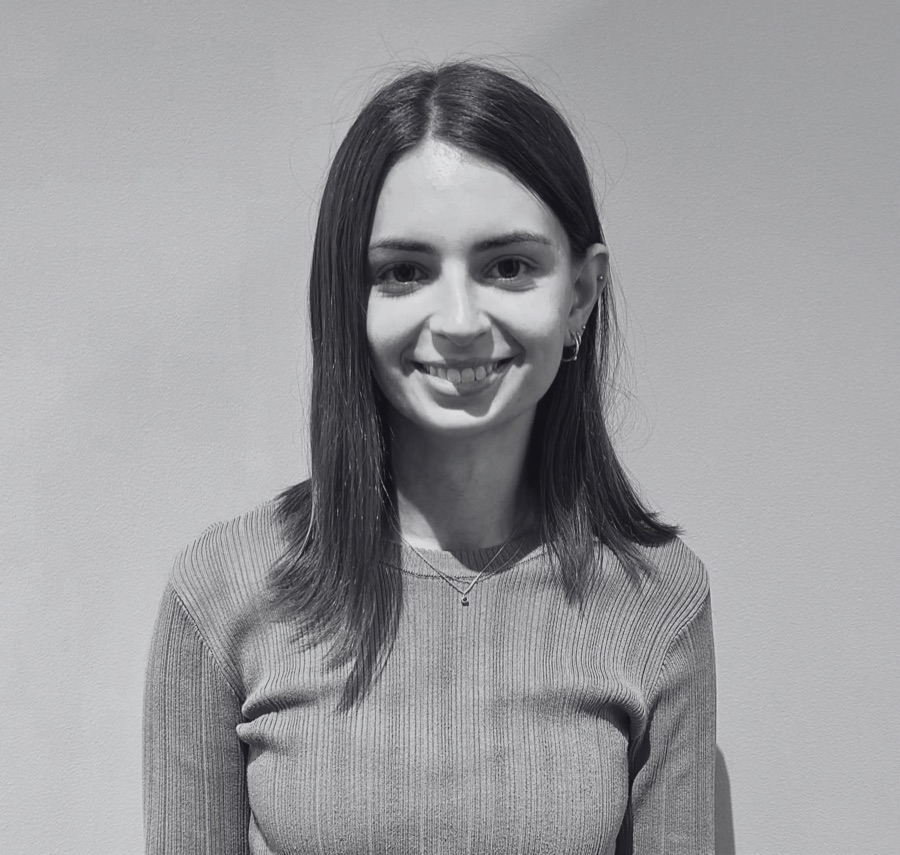
Bridget Kosmas
Provisional Psychologist
Bridget works with anxiety using an integrative, evidence-based approach. She draws on CBT, ACT, and mindfulness techniques to help clients understand their anxiety, develop practical coping strategies, and move toward a more flexible and fulfilling life.
View full profile
Claudia Hounslow
Director & Psychologist
Claudia brings 18 years of clinical experience to anxiety treatment, with a neuropsychological perspective on how anxiety shapes the brain and behaviour. She is particularly skilled in performance anxiety, executive stress, and anxiety in high-achieving individuals.
View full profile
David Bokan
Psychologist
David works with anxiety using a warm, non-judgmental approach grounded in CBT, DBT, and ACT. He has a particular interest in how anxiety manifests in men and young people, and creates a comfortable space for clients who may find it difficult to talk about their experiences.
View full profileReady to get support?
No referral required. Book an appointment online or contact us for a free intake call to discuss whether we are the right fit.
We do not offer bulk billing or immediate crisis response. For urgent support, please call Lifeline on 13 11 14.
FROM THE BLOG