
Disordered Eating and Body Image
Around 1.1 million Australians live with an eating disorder. With skilled psychological support, recovery is possible for people of all ages, genders, and body types.
UNDERSTANDING DISORDERED EATING
A complex relationship with food and self.
Disordered eating encompasses a wide range of difficult relationships with food, eating, and the body. It ranges from restrictive or binge eating patterns to diagnosable conditions including anorexia nervosa, bulimia nervosa, binge eating disorder, and ARFID. Body image concerns often intersect with eating difficulties but may also occur independently.
Eating difficulties are complex presentations that frequently involve psychological, social, and physiological dimensions. They may serve important emotional functions, and often have roots in experiences of trauma, shame, perfectionism, or difficult early relationships with food and bodies. Effective support takes all of these layers seriously.
Our psychologists have experience working with disordered eating and body image using evidence-based frameworks including CBT, acceptance and commitment therapy, and trauma-informed approaches. For presentations with significant medical risk, we may recommend a multidisciplinary approach.
COMMON SIGNS
Preoccupation with food, calories, weight, or body shape
Restricting food intake or following rigid food rules
Episodes of eating large amounts of food in a short time (bingeing)
Compensatory behaviours such as purging, excessive exercise, or laxative use
Significant distress or guilt related to eating
Avoiding social situations involving food
A distorted or highly negative perception of your own body
Eating only a narrow range of foods due to sensory or fear-based responses (ARFID)
Significant weight changes or medical consequences of eating patterns
Feeling out of control around food, or using food to manage emotions
If you are experiencing medical complications
Some eating disorders carry significant medical risk. If you are experiencing chest pain, fainting, irregular heartbeat, or other medical symptoms, please see your GP or attend your nearest emergency department before booking a psychology appointment.
PRESENTATIONS WE SUPPORT
No two presentations are the same.
Anorexia nervosa
Characterised by restriction of food intake, intense fear of weight gain, and a distorted body image. May involve significant medical risks requiring multidisciplinary care.
Bulimia nervosa
Characterised by cycles of bingeing and compensatory behaviours such as purging or excessive exercise. Often accompanied by shame, secrecy, and significant distress.
Binge eating disorder
Characterised by recurrent episodes of eating large amounts of food without compensatory behaviours, often accompanied by feelings of loss of control and distress.
ARFID
Avoidant/Restrictive Food Intake Disorder involves avoidance of foods based on sensory characteristics, fear of aversive consequences, or low interest in eating, without body image concerns.
Disordered eating
Patterns that do not meet full diagnostic criteria but cause significant distress or impairment, including rigid food rules, emotional eating, and persistent body image concerns.
OUR PSYCHOLOGISTS
Compassionate, skilled support.
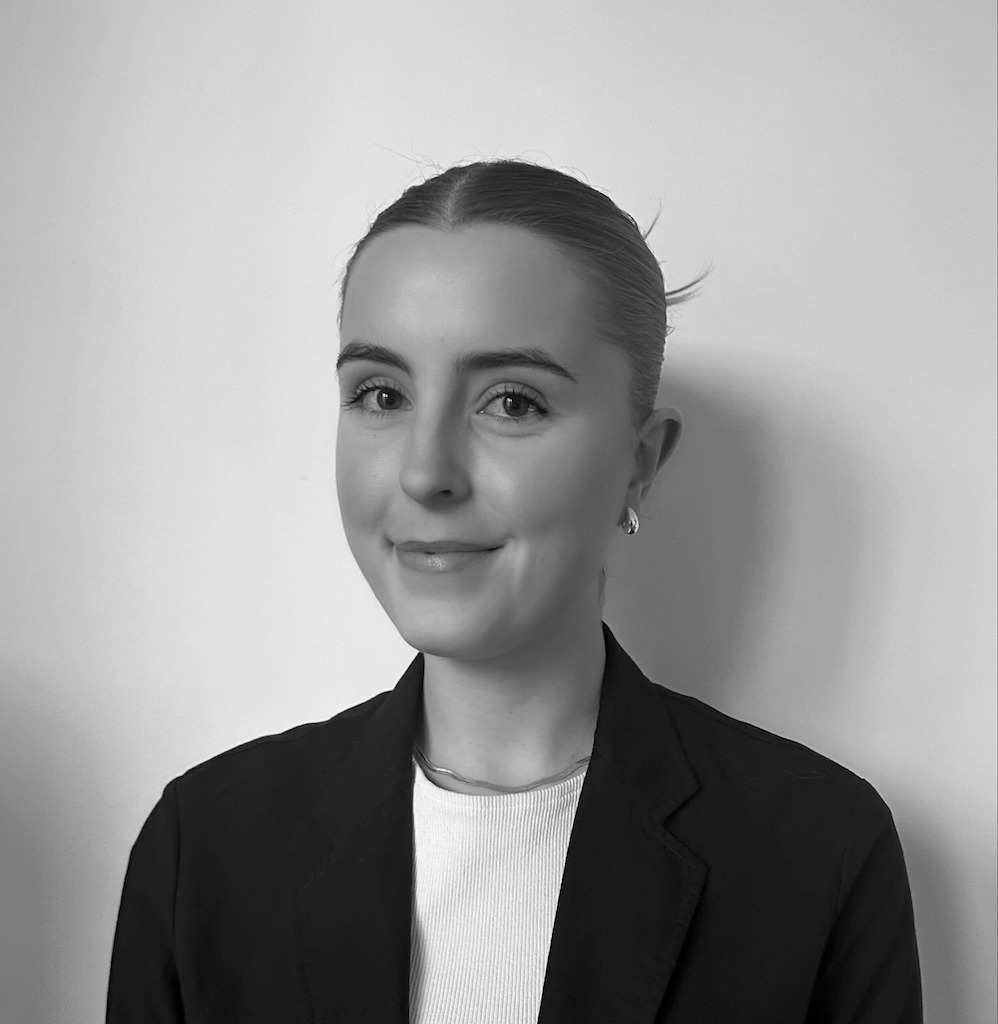
Lucy Adlard
Psychologist
Lucy brings a compassionate, non-diet approach to eating and body image concerns. She understands the emotional complexity beneath disordered eating patterns and works collaboratively with clients to develop a healthier relationship with food and themselves.
View full profile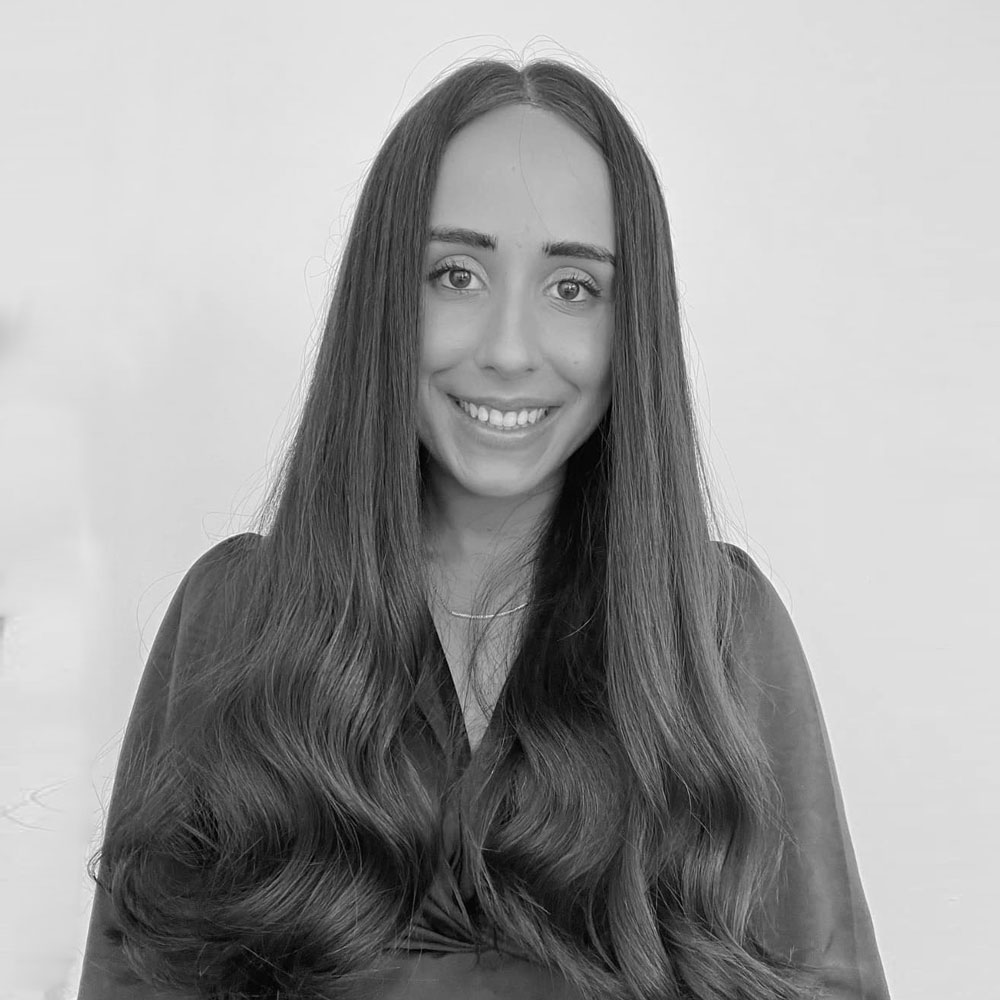
Rivkah Bendet
Psychologist
Rivkah has experience working with disordered eating across presentations including ARFID, which often co-occurs with autism and ADHD. She takes a neurodivergent-affirming, weight-neutral approach and works at a pace that feels manageable for each client.
View full profile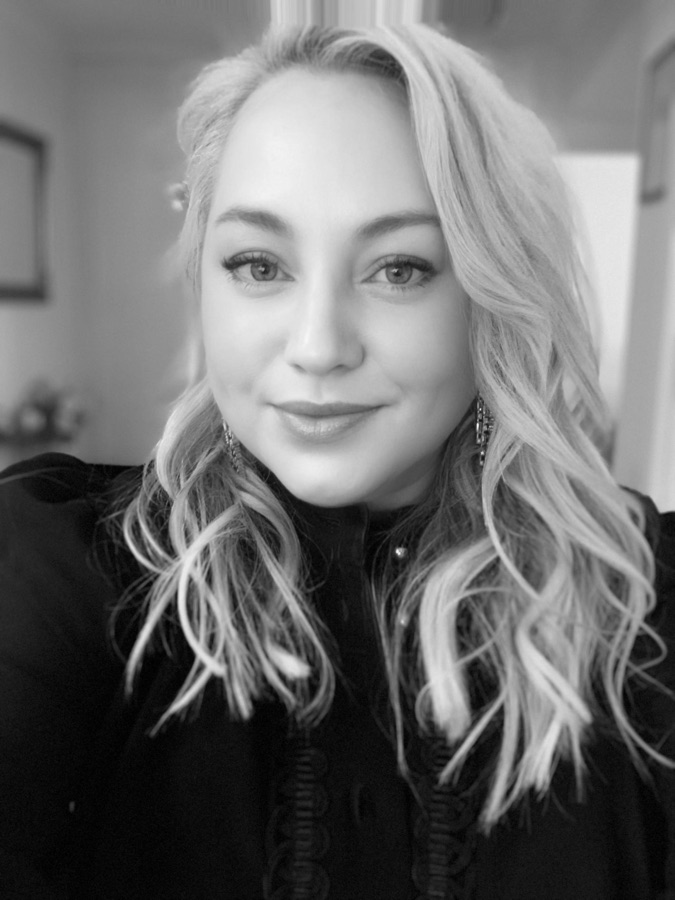
Claudia Hounslow
Director & Psychologist
Claudia works with disordered eating and body image concerns from a schema-informed, neuropsychological perspective. She is experienced in complex presentations, including eating difficulties that intersect with perfectionism, high performance, or deeply ingrained schema patterns.
View full profileA different relationship with food is possible.
No referral required. Reach out for a free intake call to discuss your situation confidentially, or book directly online.