
Trauma and Acute Stress
Trauma-informed psychological support for people navigating the lasting impact of distressing experiences. Recovery is possible, and you do not have to do it alone.
UNDERSTANDING TRAUMA
When distressing experiences leave lasting marks.
Trauma refers to experiences that overwhelm our capacity to cope and leave lasting imprints on the nervous system, memory, and sense of self and safety. Traumatic experiences range from acute events such as accidents, assault, and medical emergencies, to complex or relational trauma arising from childhood adversity, prolonged abuse, or repeated difficult experiences.
Not everyone who experiences a traumatic event will develop ongoing difficulties. Responses to trauma vary widely depending on the nature of the event, prior history, available support, and individual factors. Post-Traumatic Stress Disorder (PTSD) is one possible outcome, but trauma can also present through anxiety, depression, dissociation, somatic symptoms, and relationship difficulties.
Evidence-based trauma therapies including Trauma-Focused CBT and other trauma-informed approaches can be effective in reducing distress and supporting recovery. Our psychologists take a paced, collaborative approach, prioritising safety before processing traumatic material.
SIGNS YOU MAY BENEFIT FROM SUPPORT
Intrusive memories, flashbacks, or nightmares related to an event
Emotional numbing or feeling detached from yourself or others
Hypervigilance and heightened startle response
Avoiding reminders of the traumatic experience
Persistent negative beliefs about yourself, others, or the world
Difficulty experiencing positive emotions or feeling connected
Sleep difficulties and persistent fatigue
Physical symptoms without clear medical cause
Difficulty trusting others or feeling safe in relationships
Emotional reactivity disproportionate to the current situation
TYPES OF TRAUMA
Trauma takes many forms.
Understanding the nature of your experience helps inform the most appropriate approach to treatment.
Single-incident trauma
Acute traumatic events such as accidents, medical emergencies, assault, natural disasters, or witnessing something distressing. These can result in PTSD or acute stress responses.
Complex trauma
Repeated or prolonged exposure to distressing events, often involving childhood adversity, abuse, neglect, or domestic violence. Complex trauma affects identity, relationships, and the nervous system in deep ways.
Relational trauma
Trauma that occurs within important relationships, particularly in early life. This can shape attachment patterns and the capacity to feel safe with others in adulthood.
OUR PSYCHOLOGISTS
Experienced in trauma-informed care.
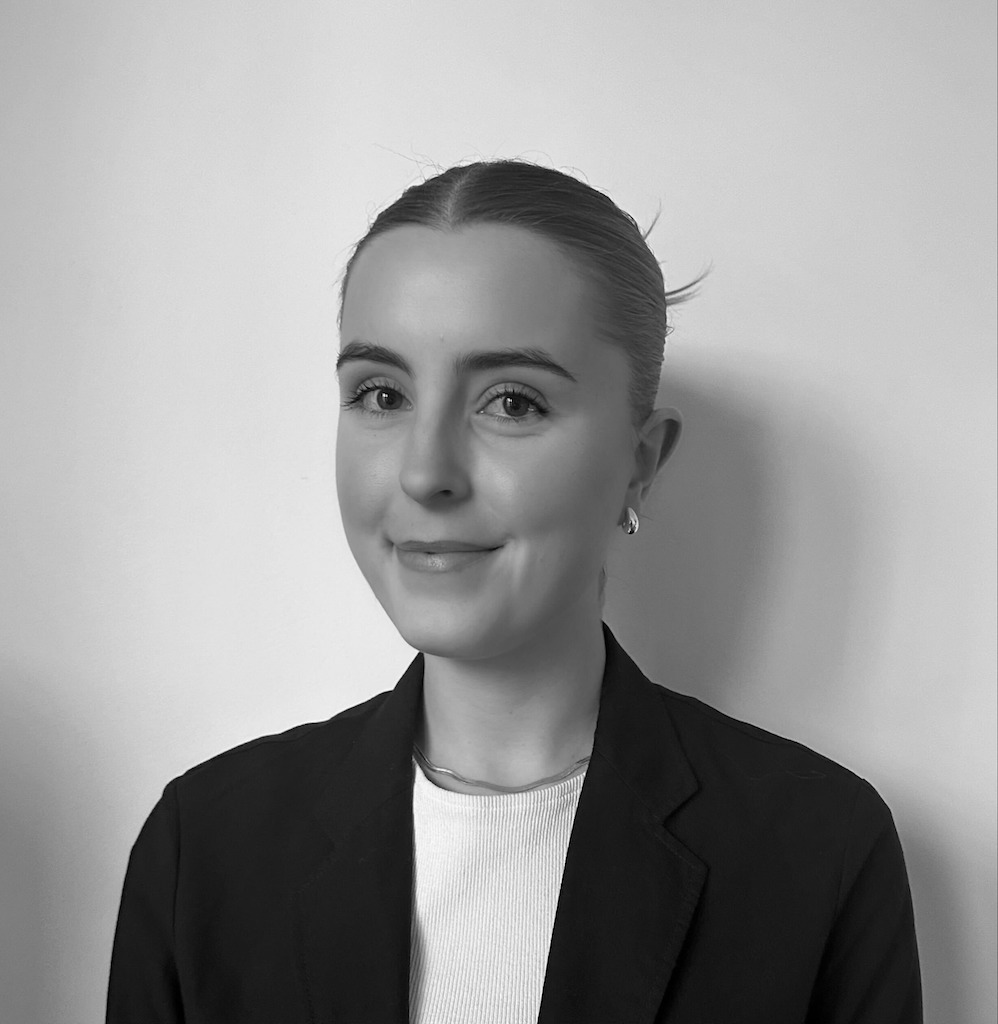
Lucy Adlard
Psychologist
Lucy brings a grounded, relational approach to trauma work. She is known for creating genuine safety in the therapeutic relationship and for her ability to pace trauma processing carefully. She draws on attachment-informed, schema, and trauma-focused frameworks.
View full profile
Claudia Hounslow
Director and Psychologist
Claudia is Contemporary Psychology's director and brings extensive experience in complex trauma and neuropsychology. She holds board-approved supervisor status and takes on complex presentations requiring careful, experienced clinical oversight.
View full profile
Rivkah Bendet
Psychologist
Rivkah brings a trauma-informed, neuroaffirming approach to working with clients who have experienced distressing or overwhelming events. She is experienced in supporting clients with trauma alongside presentations such as anxiety, ADHD, and autism.
View full profile
Bridget Kosmas
Provisional Psychologist
Bridget works with trauma and adjustment difficulties using a warm, collaborative approach. She draws on CBT, ACT, and mindfulness-based frameworks to support clients in processing difficult experiences and building resilience at a pace that feels manageable.
View full profile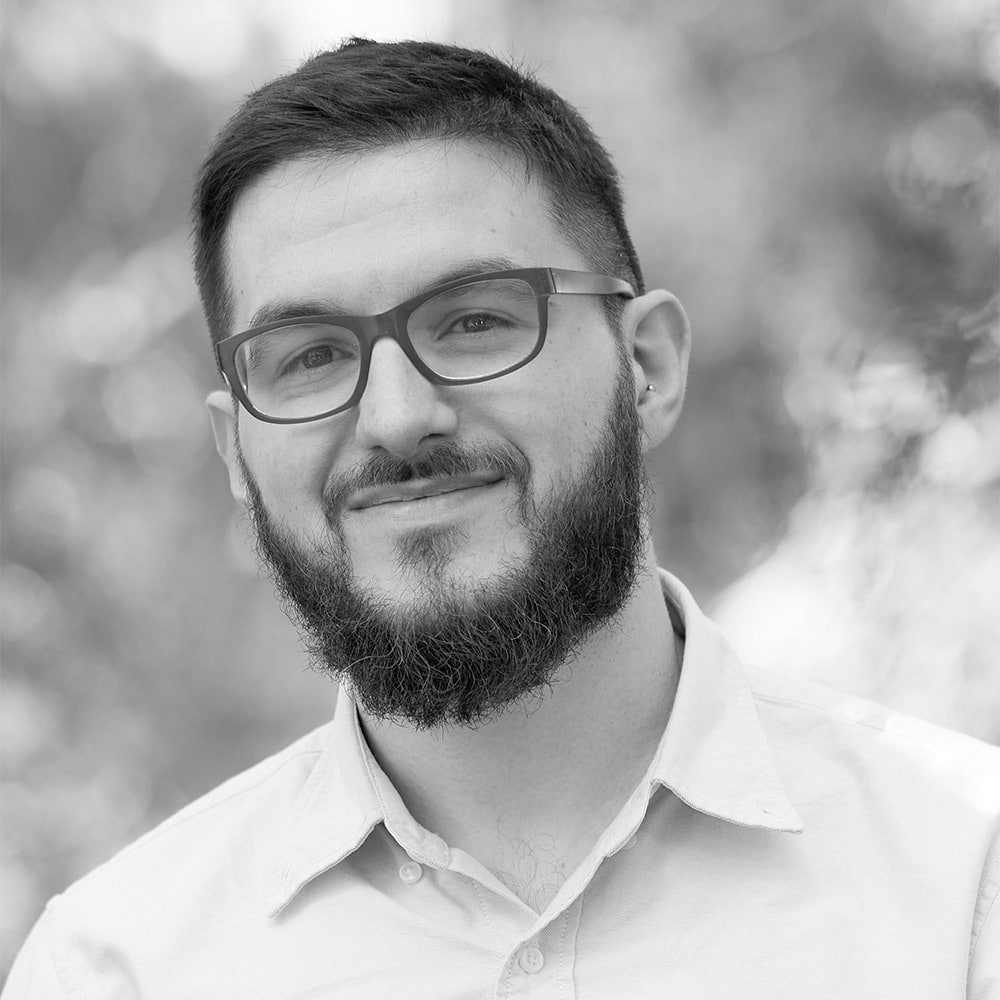
Avi Winner
Psychologist
Avi approaches trauma with genuine curiosity and warmth, helping clients understand how difficult experiences have shaped their sense of self and the world. He is particularly experienced in trauma as it presents alongside neurodivergence, grief, and major life transitions.
View full profile
David Bokan
Psychologist
David brings a trauma-informed, compassionate approach to working with clients who have experienced distressing or overwhelming events. He provides a safe, grounded therapeutic space and draws on trauma-focused CBT and DBT to support clients in processing trauma at a pace that feels manageable.
View full profileFREQUENTLY ASKED QUESTIONS
Common questions about trauma therapy.
Not before you are ready, and not as a condition of starting. Trauma therapy is paced deliberately, beginning with stability and coping, and any work involving the memory itself is done with your consent and at a pace you set. Being able to stop is part of how the work is structured.
Post-traumatic stress disorder usually follows a single identifiable event or a small number of events. Complex trauma refers to the effects of repeated or prolonged exposure, often interpersonal and often beginning early in life, and tends to involve identity, emotional regulation and relationships alongside the more familiar trauma symptoms.
No. You can book directly with any of our psychologists without a GP referral. A referral is only needed if you want to claim the Medicare rebate, which requires a Mental Health Care Plan prepared by your GP. Appointments are available in person at our St Kilda clinic and by telehealth across Australia.
Sessions with our registered psychologists are $260.30 before 4pm and $270.45 from 4pm, sessions with our director Claudia Hounslow are $290 before 4pm and $300 from 4pm, and sessions with Bridget Kosmas, our provisional psychologist, are $100 before 4pm and $110 from 4pm. With a valid Mental Health Care Plan from your GP you can claim a Medicare rebate of $101.55 per session for up to 10 sessions per calendar year. The rebate is processed on the spot, so you pay the gap only. Medicare rebates apply to registered psychologists only, not to provisional psychologists.
Lucy Adlard, Claudia Hounslow, Rivkah Bendet, Bridget Kosmas, Avi Winner and David Bokan work with trauma and post-traumatic stress at our St Kilda clinic. You can read each of their profiles on our team page, or use our matching questionnaire if you would like help choosing.
Taking the first step matters.
No referral required. Contact us to discuss your situation, or book an appointment directly online.
We do not offer crisis services. For urgent support, please call Lifeline on 13 11 14 or attend your nearest emergency department.
FROM THE BLOG