blog
What We Get Wrong About Trauma: 5 Myths That Keep Us Stuck
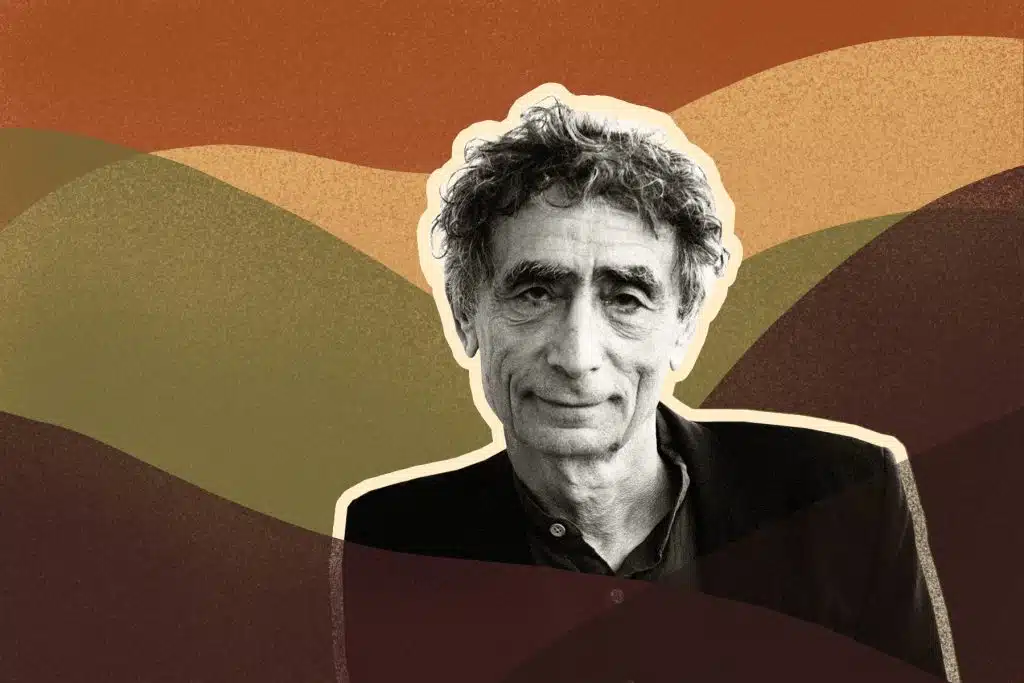
When most people hear the word trauma, they think of dramatic events like car accidents, abuse, or war. But trauma is often more subtle, more personal, and far more common than we realise. Dr Gabor Mate, one of the leading voices in trauma and addiction, has helped shift how we understand trauma and what healing actually looks like. When we begin to question old ideas and see trauma through a new lens, we give ourselves the space to heal in a deeper, more compassionate way.
Here are five common myths about trauma, and the truths that can help us move forward.
Myth 1: Trauma is what happened to you
Truth: Trauma is what happened inside you as a result of what happened to you.
Many people assume trauma is the event itself. But Dr Mate reminds us that trauma is not the event; it is the wound that stays behind. Two people can go through the same experience, yet one may walk away with deep emotional scars while the other does not. What matters most is how it affected you on the inside, especially if you did not have the safety or support to process it at the time. This idea helps us stop comparing pain and start acknowledging what we carry within us. It opens the door to healing, no matter the story. Healing does not mean rewriting the past; it means caring for the parts of you that were shaped by it.
Myth 2: Time heals all wounds
Truth: Time hides wounds. Healing reveals them.
We often hear that time fixes everything. But with trauma, time on its own rarely does the job. Pain that has not been processed does not disappear; it gets buried. You might not feel it all the time, but it can resurface years later when you least expect it. That is because trauma does not follow a timeline. It often lives in the body and nervous system, quietly shaping how we think, feel, and respond. Real healing involves awareness and intention. It is not about forgetting; it is about facing what has been avoided and learning how to soothe what still hurts. If something keeps resurfacing emotionally, it likely still requires your attention. That is not failure; that is honesty.
Myth 3: Only major events cause trauma
Truth: Ordinary moments can leave extraordinary wounds.
Many people dismiss their own pain because it does not seem "bad enough." But trauma is not only caused by big, obvious events. It can also stem from repeated emotional neglect, being ignored, criticised, or never feeling truly seen. You might have grown up in a stable home with food on the table, but if your emotional world was dismissed or misunderstood, that can leave deep marks. These moments may seem small, but when they happen over and over, especially during childhood, they shape how safe and valued we feel in the world. Acknowledging this helps explain why so many people carry invisible pain without even realising it. You do not need to justify or compare your pain. If it hurts, it matters. Understanding how to define trauma more broadly can be an important first step.
Myth 4: Trauma makes you weak
Truth: Trauma taught you to survive, often alone.
A lot of what we label as weakness, such as being overly accommodating, shutting down emotionally, or struggling to trust, is often just a survival response. These patterns were formed in environments where protection was needed. They helped us get through. They were smart, resourceful adaptations. The problem is that those protective patterns often outlive their usefulness. They get in the way of connection, self-worth, and growth. But they are not signs of weakness; they are evidence of strength, and proof that you found a way to keep going. You are not broken; you adapted. And now, you get to choose how you want to live moving forward.
Myth 5: You are overreacting. Just get over it
Truth: You are reacting to something older.
If your emotions feel too big for the moment, there is usually something deeper underneath. When a situation hits an old wound, your reaction might be more about the past than the present. These responses often confuse people, even ourselves. But they make perfect sense when you realise the body is remembering something it never got to fully process. Instead of shaming yourself for overreacting, try asking what part of you is being reminded of something painful. That is where the healing starts. Big feelings often come from old wounds; they are not irrational, they are invitations to heal. It can also help to read about the myths that keep people stuck alongside understanding how we process and edit difficult memories.
Final thoughts
Trauma is more common than most people realise. It is not just about what happened, but about how you learned to survive and what still lives inside you now. These myths keep people stuck by creating shame, confusion, and silence. But when we understand trauma differently, we begin to relate to ourselves with more compassion and clarity. You do not have to carry it alone. If any of this resonates with you, our team at Contemporary Psychology in St Kilda is here to help. It is never too late to begin.