
Addictions & Behaviour Change
Addictive patterns rarely mean a lack of willpower. They are often learned responses to pain, stress or unmet needs. With the right support, change is possible.
UNDERSTANDING ADDICTIONS
More than a bad habit.
Addiction is characterised by compulsive engagement with a substance or behaviour despite negative consequences. It is not a reflection of moral failure, but a complex pattern influenced by neurological, psychological, social and environmental factors.
Many people who seek help for addictive patterns are also managing anxiety, depression, trauma or ADHD. These presentations frequently co-occur, and addressing only one without the other rarely produces lasting change. A thorough assessment helps clarify the full picture and guides treatment planning.
Psychological treatment for addiction focuses on understanding the function the behaviour serves, building skills to tolerate distress and difficult emotions, identifying triggers, and developing a meaningful life that doesn't rely on the substance or behaviour.
COMMON SIGNS
Using substances or behaviours to manage stress, anxiety or low mood
Repeated attempts to cut down or stop without sustained success
Spending significant time obtaining, using or recovering from use
Continued use despite negative consequences at work, home or in relationships
Loss of interest in activities that were previously meaningful
Experiencing cravings or strong urges to use
Withdrawal symptoms when use is reduced or stopped
Using more than intended or for longer than planned
Prioritising use over personal health or responsibilities
Feeling unable to function normally without the substance or behaviour
TYPES OF PRESENTATION
Addiction takes many forms.
Substance use
Alcohol, cannabis, stimulants, opioids and other drugs. Use that began as recreational or functional may escalate into patterns that feel difficult to control.
Behavioural addictions
Gambling, gaming, pornography, shopping and other compulsive behaviours can produce the same psychological patterns as substance addiction.
Co-occurring presentations
Addictive patterns frequently occur alongside anxiety, depression, ADHD or trauma. Understanding the full picture leads to more effective treatment.
Concerned about co-occurring ADHD?
Individuals with ADHD are at significantly higher risk of developing addictive patterns. If you suspect ADHD may be contributing to your difficulties, our dedicated ADHD assessment service can help clarify the picture.
OUR PSYCHOLOGISTS
Dedicated addiction support.
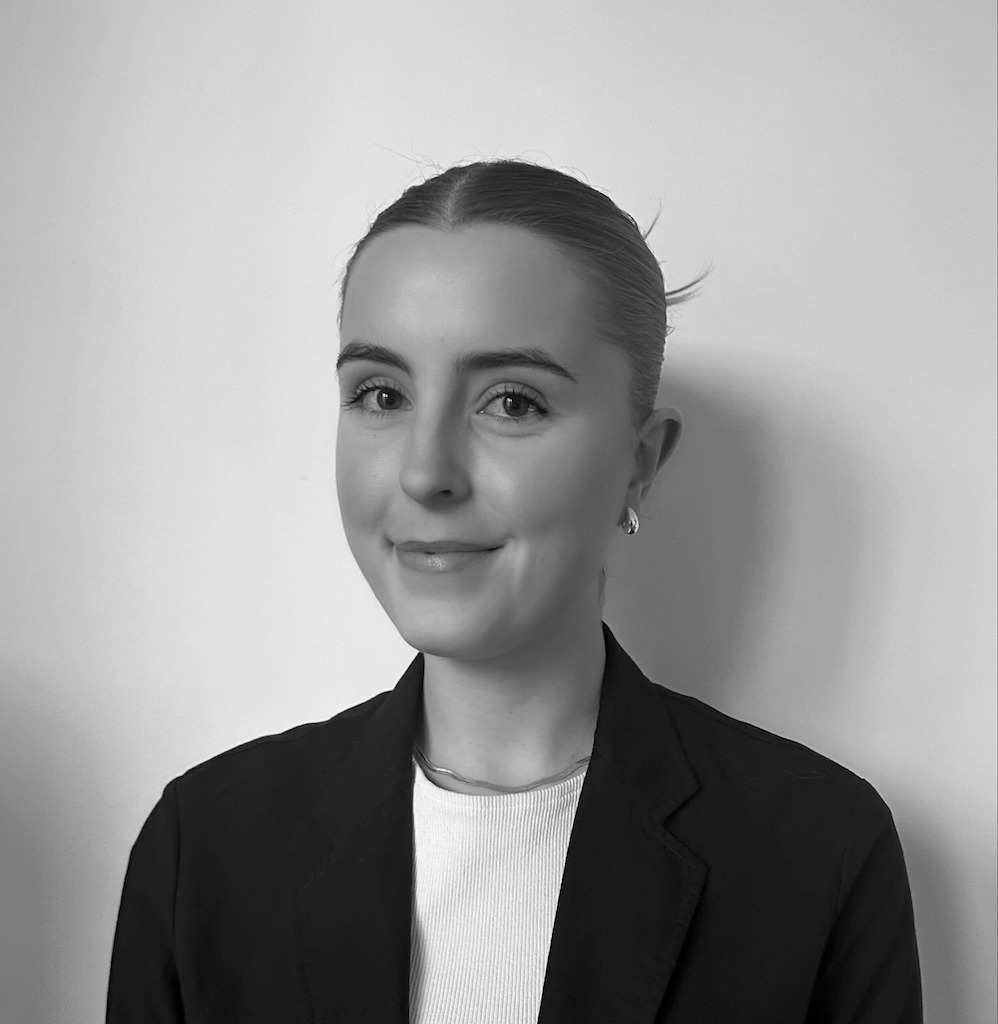
Lucy Adlard
Psychologist
Lucy's clinical interests include behaviour change and addictions, emotional regulation, anxiety and mood disorders. She uses a warm, direct style to help clients understand the function their patterns serve and build lasting alternatives. She draws from CBT, ACT, Schema Therapy and DBT.
View full profile
Claudia Hounslow
Director & Psychologist
Claudia brings a neuropsychological perspective to addictive patterns, understanding how substance use and compulsive behaviours affect brain function and emotional regulation. She works with complex presentations and is experienced in addressing addiction alongside other mental health difficulties.
View full profile
Avi Winner
Psychologist
Avi takes a strengths-based, client-led approach to addictive patterns, with particular experience supporting neurodivergent individuals for whom substance use or behavioural patterns may intersect with ADHD or executive functioning difficulties.
View full profileFREQUENTLY ASKED QUESTIONS
Common questions about addiction and behaviour change.
No. We work with the goals you bring, which may be abstinence, reduction, or simply understanding a pattern better before deciding anything. You do not need to have already changed the behaviour in order to start.
Yes. We work with gambling, substance use, and other compulsive or habitual behaviours, including the drivers underneath them and relapse prevention. If you need immediate support for gambling, the National Gambling Helpline is available 24 hours on 1800 858 858.
No. You can book directly with any of our psychologists without a GP referral. A referral is only needed if you want to claim the Medicare rebate, which requires a Mental Health Care Plan prepared by your GP. Appointments are available in person at our St Kilda clinic and by telehealth across Australia.
Sessions with our registered psychologists are $260.30 before 4pm and $270.45 from 4pm, and sessions with our director Claudia Hounslow are $290 before 4pm and $300 from 4pm. With a valid Mental Health Care Plan from your GP you can claim a Medicare rebate of $101.55 per session for up to 10 sessions per calendar year. The rebate is processed on the spot, so you pay the gap only.
Lucy Adlard, Claudia Hounslow and Avi Winner work with addiction and behaviour change at our St Kilda clinic. You can read each of their profiles on our team page, or use our matching questionnaire if you would like help choosing.
Change is possible. Support is available.
No referral required. Book an appointment or contact us to discuss how we can help.
FROM THE BLOG