
Stress That Does Not Switch Off, Understanding Chronic Activation
 By Nick van der Linden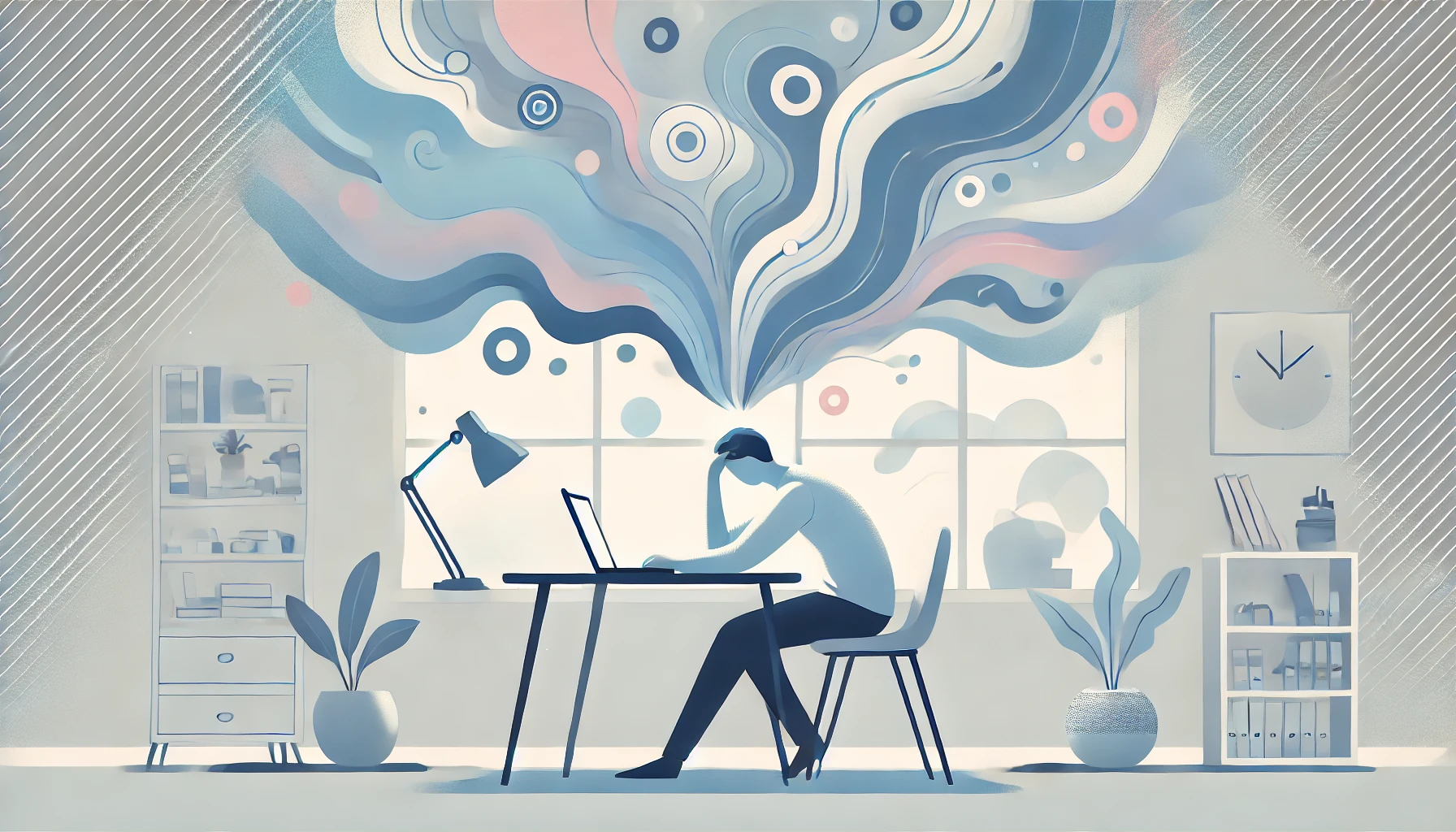
Stress is often thought of as a short term response to pressure. A deadline approaches, a challenge appears, or something unexpected demands attention. In these moments, the brain and body shift into a more alert and responsive state.
This response is adaptive. It increases focus, mobilises energy, and prepares the system to act.
But stress is not always temporary. For many people, activation becomes less of an event and more of a baseline. Even when external demands reduce, the nervous system struggles to fully stand down.
This is what chronic activation often looks like.
What stress actually does in the brain
At a neurobiological level, stress involves a coordinated response between multiple systems in the brain and body.
The amygdala monitors for potential threat or demand, while the hypothalamic pituitary adrenal axis regulates the release of cortisol and other stress hormones. At the same time, the autonomic nervous system shifts the body into a state of increased readiness.
In the short term, this process is highly effective. It is designed to help the brain prioritise survival, focus attention, and respond quickly when needed.
The problem is that these systems were never designed to remain highly active indefinitely.
When activation becomes ongoing
Under sustained pressure, the nervous system can begin adapting to a constant state of alertness.
Instead of cycling between activation and recovery, the brain remains partially engaged, continuing to anticipate demand even during periods of rest.
This can show up as
- Difficulty fully relaxing
- Persistent mental alertness
- Feeling physically tired but mentally switched on
- A sense of always needing to stay “on top” of things
Over time, this state can begin to feel normal, even though the system is operating under continuous load.
Why the brain struggles to switch off
One reason chronic activation develops is because modern stressors are often ongoing rather than short lived.
Unlike acute physical threats, many current demands have no clear endpoint. Workload, financial pressure, emotional stress, uncertainty, and constant accessibility can keep the brain in a state of low grade vigilance.
The nervous system responds to this by maintaining readiness.
Importantly, the brain does not only react to actual danger. It also responds to perceived unpredictability and unresolved demand. When things feel uncertain, incomplete, or constantly changing, the brain has difficulty signalling safety to itself.
Cortisol, arousal, and recovery
Cortisol plays an important role in maintaining alertness and energy during stress. However, when stress becomes prolonged, elevated cortisol can begin disrupting recovery processes.
This can affect
- Sleep quality and depth
- Emotional regulation
- Concentration and cognitive flexibility
- Physical energy across the day
The result is often a paradoxical state where someone feels exhausted but unable to fully relax.
Rest becomes less restorative because the nervous system has not fully shifted into a recovery state.
Attention changes under chronic stress
Chronic activation also changes how attention is allocated.
When the brain remains in a heightened state of readiness, it becomes more sensitive to potential demands and interruptions. Attention is pulled more easily towards urgency, threat, or unfinished tasks.
This can lead to a sense of constantly scanning, monitoring, or anticipating what comes next.
Over time, this reduces the brain’s capacity for deeper focus, reflection, and sustained cognitive work. The system prioritises responsiveness over restoration.
Why slowing down can feel uncomfortable
For some people, rest itself begins to feel unfamiliar.
If the brain has adapted to constant stimulation or productivity, quieter moments can create discomfort rather than relief. Without external demands occupying attention, internal thoughts and tension become more noticeable.
This is one reason many people instinctively reach for stimulation during downtime, whether through work, scrolling, multitasking, or constant input.
The nervous system has become more accustomed to activation than stillness.
Supporting the nervous system differently
Recovering from chronic activation is not simply about removing stress. It is about helping the nervous system relearn how to transition between states.
This often requires creating conditions that consistently signal safety and predictability to the brain.
That can involve clearer boundaries between work and recovery, reducing excessive cognitive load, allowing periods without constant input, and creating opportunities for slower physiological states through movement, breathing, or rest.
Importantly, recovery is usually gradual. Nervous systems that have spent long periods in high activation rarely downshift immediately.
Why this matters
When chronic activation goes unrecognised, people often interpret the experience as a personal failing. They may assume they are bad at relaxing, naturally restless, or simply not coping well enough.
But many of these responses reflect an adaptive nervous system that has become overly practised at staying alert.
Understanding this changes the frame. The goal becomes less about forcing relaxation and more about helping the brain regain flexibility in how it responds to demand.
Final thoughts
If stress feels constant rather than situational, your nervous system may be spending too much time in a state of readiness.
Small changes that increase predictability, reduce cognitive overload, and create genuine periods of recovery can help the brain begin shifting out of chronic activation. Often, the nervous system does not need complete removal of stress, it needs clearer signals that it is safe to pause.