blog
How Stress Shows Up in the Body Before Burnout Hits
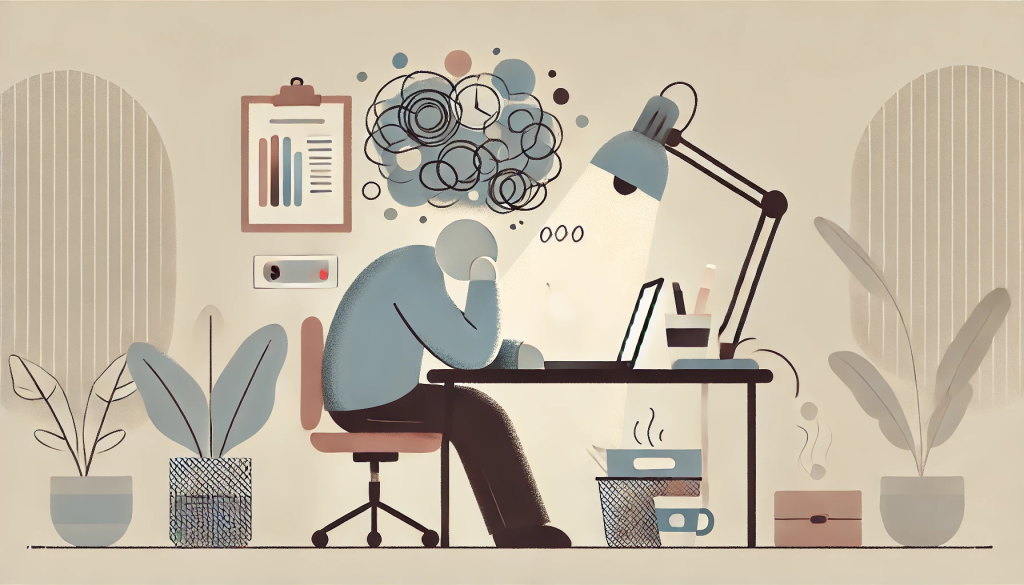
Burnout rarely arrives suddenly. It builds quietly, often long before people recognise what is happening. While the mind may push on, telling you to stay productive or keep coping, the body usually notices first. Subtle physical signals begin to appear as the nervous system stays under pressure for too long. Learning to recognise these early signs of stress in the body can prevent burnout and protect long-term health, clarity, and performance.
Stress is not just a mental experience; it is a full-body process. When stress becomes chronic, the body adapts in ways that are meant to help in the short term but become harmful when there is no recovery.
Why the body detects burnout before the mind
The nervous system is designed to respond quickly to perceived threat. When demands are ongoing and rest is limited, the body remains in a state of heightened alert. Stress hormones such as cortisol and adrenaline stay elevated, preparing you to act, problem-solve, and push through. The mind is often the last to acknowledge this shift because many people are skilled at overriding discomfort. Productivity can continue even as the body starts signalling overload. Physical symptoms are not weaknesses or failures; they are feedback that the system is working too hard for too long.
Early physical signs of chronic stress
Before burnout fully develops, stress often shows up in the body in subtle but persistent ways. Muscle tension is one of the earliest signs: tight shoulders, jaw clenching, headaches, or neck pain reflect a body bracing for threat, and over time this tension becomes habitual even during rest. Digestive changes are also common, as stress diverts energy away from digestion, leading to bloating, nausea, reflux, constipation, or changes in appetite. Many people notice they eat quickly, irregularly, or lose awareness of hunger cues altogether. Sleep disruption often appears early too. Difficulty falling asleep, waking during the night, or feeling unrefreshed in the morning are signs that the nervous system is not fully powering down. Fatigue that does not improve with rest is another warning sign: this is not simple tiredness but a deeper sense of depletion where even small tasks feel effortful.
How stress affects the immune and hormonal systems
Chronic stress places strain on the immune system. You may notice more frequent colds, slower recovery from illness, or increased inflammation. The body is prioritising survival over repair. Hormonal balance can also shift: stress can affect menstrual cycles, libido, appetite regulation, and energy levels. These changes are often dismissed or normalised, yet they are important signals that the body is under sustained load. This is one of many reasons why understanding what happens when stress becomes the baseline is so important.
Emotional and cognitive signals linked to physical stress
Physical stress often overlaps with emotional and cognitive changes. Irritability, low frustration tolerance, and emotional numbness commonly accompany bodily tension. Concentration may decline, memory can feel unreliable, and decision-making becomes harder. These experiences are not a loss of capability; they reflect a nervous system that is overloaded and struggling to access higher-level cognitive resources.
Why burnout feels sudden even when it is not
Many people describe burnout as feeling like they suddenly hit a wall. In reality, the wall was being built slowly through months or years of accumulated stress. The body can compensate for a long time, but eventually its adaptive capacity is exceeded. Ignoring early physical signals often leads to more dramatic symptoms such as panic attacks, chronic pain, emotional collapse, or complete exhaustion. Recognising stress earlier allows for course correction before reaching this point.
How to respond to early signs of stress in the body
Preventing burnout is not about removing all stress; it is about restoring balance between demand and recovery. Start by paying attention to physical cues: notice tension, sleep quality, digestion, and energy levels without judgement. Build regular recovery into your day rather than waiting for holidays or weekends. Short pauses, movement, breathing, and moments of stillness help reset the nervous system. Reduce unnecessary cognitive load where possible through fewer decisions, clearer boundaries, and realistic expectations. Reconnect with the body through activities that support regulation, such as walking, stretching, gentle exercise, or time outdoors. These are not indulgences; they are biological necessities.
When professional support can help
If physical symptoms of stress are persistent, worsening, or beginning to affect daily functioning, professional support can be helpful. Working with a psychologist provides space to understand stress patterns, regulate the nervous system, and address the beliefs that keep people pushing past their limits. Early support can prevent burnout from becoming entrenched and help rebuild a more sustainable relationship with work, responsibility, and self-care. A quick guide to protecting yourself from burnout can also be a useful starting point.
Final thoughts
The body is not trying to slow you down without reason. It is communicating that something needs attention. When stress shows up physically, it is an invitation to adjust before deeper exhaustion sets in. Burnout prevention begins with listening earlier rather than pushing harder. When you respond to the body with curiosity and care, you create the conditions for resilience, clarity, and long-term wellbeing. Our team at Contemporary Psychology in St Kilda is here to help if you would like to explore these patterns further.