blog
Why Rest is a Productivity Tool, Not a Reward
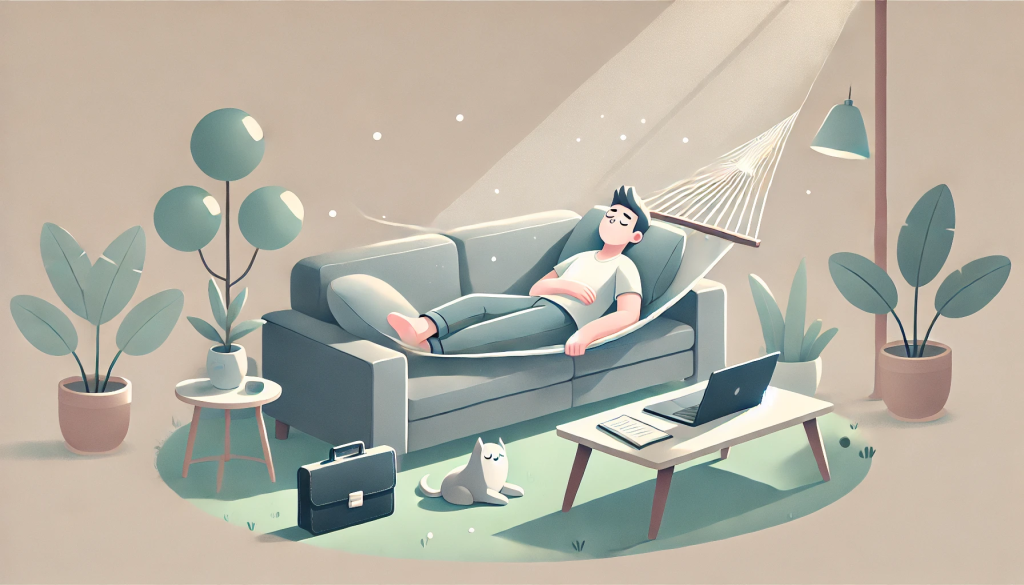
In professional culture, rest is often framed as something you earn after the work is done. Many people push through fatigue, treat weekends as recovery from overextension, and delay holidays until exhaustion makes them non-negotiable. But this framing misses the point entirely. Rest is not simply a pause from productivity; it is a critical component of it. If you are trying to perform at a high level, redefining rest as a tool rather than a reward can be the difference between sustainable success and burnout.
Why overwork backfires
The belief that long hours automatically lead to better results is deeply ingrained, yet decades of research show otherwise. Studies consistently find that productivity peaks at around 40 hours per week, after which output declines and mistakes increase. Neuroscience explains why: the prefrontal cortex, the brain region responsible for focus, planning, and decision-making, is highly sensitive to fatigue. Without recovery, it processes information less effectively, leading to slower thinking, reduced creativity, and more errors. Chronic overwork also activates the body's stress system, the hypothalamic-pituitary-adrenal axis, which raises cortisol levels, disrupts sleep, impairs memory, and weakens the immune system. Far from making you more productive, constant busyness eventually undermines your capacity to perform.
Rest as cognitive maintenance
Rest works in the same way as sharpening a tool. During sleep, the brain consolidates memories, clears out metabolic waste, and restores neurotransmitter balance. Short breaks throughout the day support similar processes by reducing cognitive load. Even ten minutes of stepping away from your desk allows the brain's default mode network to activate, a system linked with creativity, problem-solving, and perspective-taking. Downtime is not wasted time. It is the space where insights surface, energy resets, and perspective widens. Professionals who integrate strategic rest into their schedules often find they achieve more in fewer hours and with greater clarity. There is also compelling evidence that sleep is a genuine competitive advantage at work, not just a health requirement.
Practical ways to use rest as a tool
- Schedule breaks intentionally: Treat rest with the same importance as meetings. Block time for short pauses every 90 minutes to reset focus.
- Prioritise quality sleep: Aim for consistent sleep routines. Deep sleep enhances learning and emotional regulation, both of which are essential for complex work.
- Switch environments: Shifting from your desk to a walk outdoors, even briefly, stimulates blood flow and creativity.
- Engage in restorative activities: Hobbies, exercise, and time with friends are not indulgences; they are active forms of recovery that nourish emotional and cognitive reserves.
- Set boundaries around work hours: Protecting evenings or weekends from work emails allows your nervous system to downshift and recharge fully.
Redefining rest for sustainable success
For many, rest can feel uncomfortable because it clashes with internalised ideas of productivity. But reframing rest as an enabler rather than a distraction makes it easier to embrace. Rest is what allows you to bring your full cognitive and emotional capacity to the work that matters most. If you find yourself unable to wind down even when you want to, it may be worth exploring why resting feels so difficult and what that pattern reveals. Success does not require you to be constantly busy. Sustainable success depends on your ability to cycle between effort and recovery, and the most productive individuals are not the ones who never stop working but the ones who know how to stop, reset, and return with clarity and energy.
Final thoughts
Rest is one of the most undervalued tools available to high-performing professionals. When it is integrated into your schedule with intention, you not only perform better; you live better. If you would like to explore strategies for building genuine recovery into your routine, our team at Contemporary Psychology in St Kilda is here to help.