blog
Why do I feel so overwhelmed?
Feeling overwhelmed in your body with no clear explanation is more common than you might realise. Our feelings and physical sensations are the voice of the body; they tell us what we need from one moment to the next. Sometimes that signal is explicit, like anger or sadness. Other times it is subtler, showing up as physical tension, fatigue, or a low-level sense that something is off.
What is actually happening in your nervous system
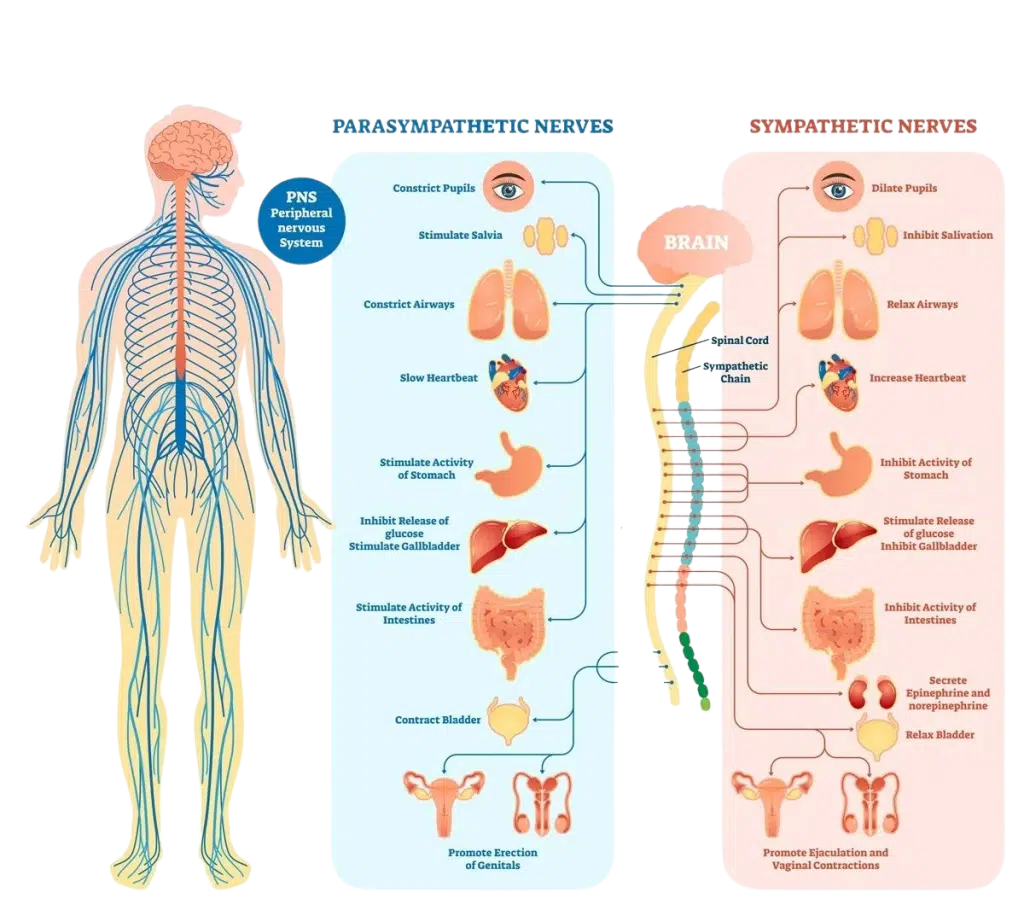
Inside your body, the Autonomic Nervous System (ANS) is constantly working to keep you in balance. It has two primary branches. The Sympathetic Nervous System (SNS) is responsible for the fight-or-flight response: it increases your heart rate, raises your blood pressure, and prepares your body to respond to threat. The Parasympathetic Nervous System (PNS), by contrast, supports rest, digestion, and recovery, slowing your heart rate and helping your body repair. The role of the ANS is to keep these two in balance. What can happen when we are under sustained pressure is that the balance tips, and we get stuck in a state of activation. When your SNS is chronically overactive, the effects are wide-ranging. Sleep becomes elusive. Digestive issues appear. Emotional responses feel heightened, with unusual anxiousness or low mood surfacing even when there is no obvious trigger. If you have ever lain awake in bed feeling on edge for reasons you cannot quite name, or found yourself bracing for something without knowing what, this is likely what is happening beneath the surface. When stress becomes your baseline, your system forgets how to switch off, and that forgetting has consequences.
What helps restore balance
The good news is that the nervous system is genuinely adaptable. With consistent, intentional habits, it is possible to bring the ANS back toward balance. Some approaches that support this process include:
- Reducing life stressors where possible. The less ongoing demand placed on your nervous system, the more readily it can recover.
- Mindfulness and meditation. These practices help you reconnect with your body and develop the awareness to notice when you need rest before you reach the point of depletion.
- Regular movement and a nourishing diet. Physical health and nervous system regulation are deeply connected. Moving your body regularly and eating well provides a foundation that supports everything else.
- A consistent sleep routine. Sleep is one of the most powerful regulators of nervous system function, and establishing reliable sleep habits is often one of the first things worth addressing.
- Therapy. A psychologist can help you identify the specific patterns keeping your nervous system in a state of overactivation and build an individualised plan to address them.
Final thoughts
Feeling overwhelmed without an obvious reason is not a character flaw or a sign of weakness. It is your body communicating that something needs attention. The body is remarkably capable of change when given the right conditions. If you would like support in understanding what is driving your overwhelm and building habits that restore balance, our team at Contemporary Psychology in St Kilda is here to help.