blog
Netflix's "Adolescence" Through A Psychological Lens
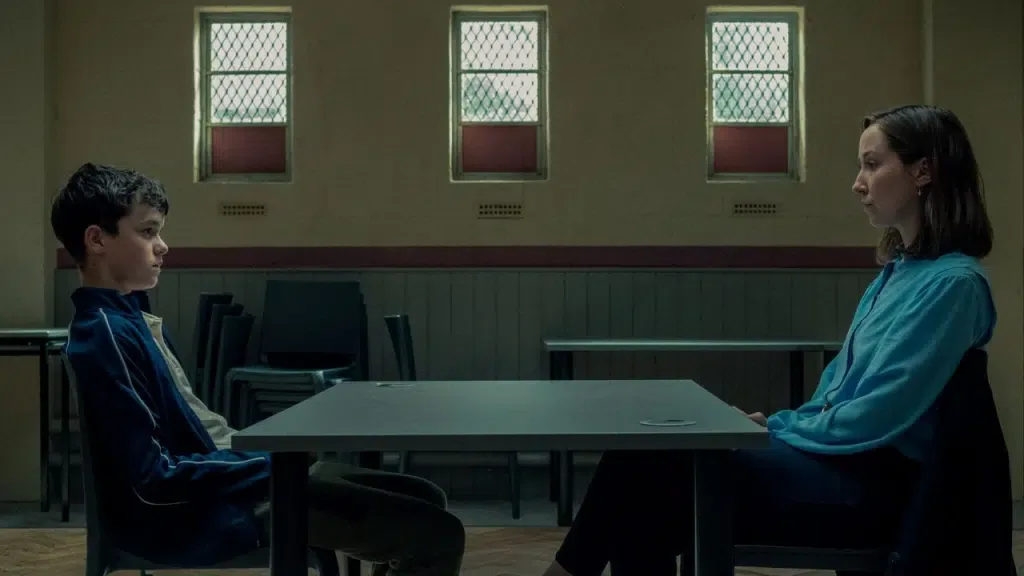
As a young man, Adolescence really struck a chord with me. There have been many shows centred around the state of teenage mental health that have generated strong emotional responses from viewers, but this one carried an added layer of melancholy. The idea of masculinity in the modern world is so contentious and convoluted, it is no wonder young men so frequently feel alone, lost, or alienated.
On one hand, we often hear that young men should learn to be more emotionally open, reflective, and empathetic. On the other, countless cultural influences still suggest that strength comes from competence, bravery, and reliability. So which is it? Or is it some combination of both? Adolescence does not just acknowledge this tension; it is a manifestation of it.
What the show gets right about the adolescent experience
The show is exceptionally well-produced. Each episode is shot in a single continuous take, a formal choice that creates a relentless intimacy mirroring the experience of the characters themselves. There is no escape from the discomfort, for either character or viewer. The production style becomes a metaphor for adolescence: the feeling of being trapped inside your own body and mind, with no obvious exit. Adolescence centres on Jamie, a 13-year-old boy arrested in the opening scene on suspicion of murdering a teenage girl from his school. What hit hardest was how the show depicts the emotionally numb state Jamie has developed, partly as a response to trauma, partly as a survival strategy. When a teenage boy shuts down or lashes out, it is often a defence mechanism rather than an unprovoked attack. Understanding that distinction changes everything about how we respond.
The incel pipeline and what it does to young men
One of the most alarming aspects of the show is how it portrays the social forces bombarding young men online. The involuntary celibate and red pill communities depicted in Adolescence are particularly appealing to boys who feel confused, isolated, or disillusioned. Your teenage years are a time of heightened impressionability, and coupling that vulnerability with extreme ideologies about identity, masculinity, and relationships is a genuinely dangerous combination. The red pill ideology, derived from The Matrix, claims that society deceives men about gender roles and relationships, and that waking up means embracing traditional dominance and emotional stoicism. What it actually offers is a sense of belonging and explanation to young men who feel powerless. Rather than helping them work through those feelings constructively, it weaponises them. The result is often not empowerment but deeper psychological distress, disconnection, and in extreme cases, violence. This is closely tied to why social isolation is so dangerous for the developing brain.
A landscape without enough good maps
Currently in Australia, around one in five children live in single-parent homes, the majority headed by mothers. This contributes to a significant shortage of male mentorship at a formative age. Compounded by rising screen time that isolates young men from real-world connection, many are finding their models of masculinity entirely online. Repeated exposure to red pill and incel spaces can foster resentment, distrust, and misogyny, contributing to further isolation and a host of mental health difficulties. The broader social landscape for young men is fragmented. Media discourse swings between demonising masculinity as inherently toxic and glorifying figures who promote dominance and emotional detachment, leaving many boys without a coherent, healthy identity to orient toward. The pressure to perform strength while privately struggling is a pattern that begins young and, without intervention, tends to deepen.
Final thoughts
Behind every teenager's eyes is a story and a brain still under construction. If Adolescence has a call to action, it is this: we need to make emotional literacy a core skill for young men, not an optional extra. We need to stop asking what is wrong with him and start asking what happened to him. Strength is not about silence; it is about survival through connection. If you would like to explore how psychology can support a young person in your life, our team at Contemporary Psychology in St Kilda is here to help.