blog
Why Social Isolation Is Toxic for the Brain
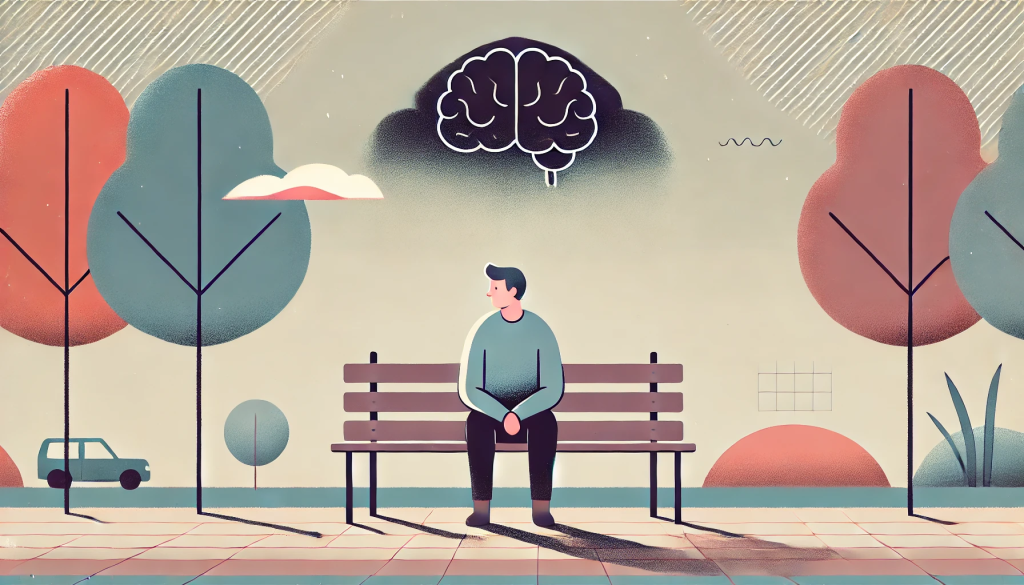
We often think of loneliness as an emotional experience, but it is also a biological one. Social isolation changes the brain in ways that affect cognition, mental health, and even physical wellbeing. In an era where digital contact is constant, real connection is becoming harder to find. The brain feels the absence, even when our social feeds are full.
Humans are wired for connection
Neuroscience has shown that human brains evolved in social groups. The prefrontal cortex, amygdala, and anterior cingulate cortex are all deeply involved in social processing. These brain regions help us recognise emotional cues, regulate our responses, and interact meaningfully with others. When we are socially engaged, these systems are active and healthy. Isolation reduces stimulation in these areas, leading to emotional dysregulation, poor impulse control, and difficulty making decisions. When deprived of connection, the brain interprets it as a survival threat, activating the stress response and contributing to a prolonged state of emotional unease.
Stress, cortisol and brain function
The body's stress system, the hypothalamic-pituitary-adrenal axis, becomes dysregulated when we are isolated. In the absence of social connection, this system becomes overactive, leading to higher levels of cortisol. Chronic exposure to cortisol damages the hippocampus, a region critical for learning and memory. A study published in Molecular Psychiatry (Tomova et al., 2022) found that acute social isolation triggers the same neural cravings as hunger. The midbrain dopaminergic regions, which regulate motivation and desire, light up in response to images of people after just ten hours of isolation. This shows that social connection is not a luxury; it is a biological drive essential to our wellbeing.
Inflammation and immune function
Prolonged social isolation also increases systemic inflammation. This is partly due to stress-induced cortisol imbalances and partly due to altered gene expression. Studies have shown that lonely individuals exhibit greater expression of pro-inflammatory genes and a reduced antiviral response. This can increase the risk of various illnesses, from cardiovascular disease to autoimmune disorders. Inflammatory cytokines can cross the blood-brain barrier and impact brain function, and they are associated with symptoms of depression, fatigue, and cognitive slowing. In this way, the body's physical and mental health systems are inextricably linked through the effects of isolation.
Social isolation and cognitive decline
The effects of isolation extend into ageing and neurodegeneration. In older adults, a lack of meaningful social interaction is linked to faster rates of memory loss, reduced grey matter volume, and a higher risk of developing dementia. A 2023 longitudinal study found that older adults who reported frequent feelings of loneliness were 40 per cent more likely to develop dementia. This risk may be due to reduced stimulation of brain networks involved in language, attention, and executive functioning. Engaging with others requires attention, memory, and emotional processing; without this mental exercise, the brain's circuitry can become underused, which may lead to functional decline.
Impact on neuroplasticity and mood
Neuroplasticity refers to the brain's ability to adapt, learn, and change. One important protein involved in neuroplasticity is brain-derived neurotrophic factor (BDNF). Social interaction supports BDNF production, which helps with learning, mood regulation, and neuron repair. Low BDNF levels are found in people with depression, anxiety, and chronic stress. Regular social connection acts as a buffer, helping the brain remain flexible and emotionally resilient. It also boosts oxytocin, a hormone involved in bonding and trust, which further helps to reduce stress and support emotional regulation. This is closely related to the link explored in the relationship between disconnection and addiction.
The problem of digital substitutes
Many people assume that digital connection can fill the same role as face-to-face interaction. While social media and messaging offer short bursts of engagement, they often lack the depth, nuance, and nervous system regulation that real connection provides. Face-to-face contact involves body language, tone of voice, and co-regulation of emotions, none of which are replicated through screens. Over-reliance on digital communication may also contribute to attention fragmentation and reinforce avoidance patterns. Without physical presence, the brain receives fewer signals of safety and attunement, which can perpetuate feelings of loneliness even when we are technically in touch with others.
Small acts that support the brain
Combatting the effects of isolation does not require large social networks. Even a few warm, consistent relationships can support brain health. Sharing a meal, taking a walk with a friend, or having a regular phone call can all stimulate the brain's social systems, helping to regulate cortisol, boost BDNF, and maintain emotional stability. It also helps to engage in structured social activities. Joining a local group, volunteering, or attending regular community events can reintroduce a sense of belonging and reawaken neural pathways that thrive on human connection.
Final thoughts
Social isolation is more than an emotional experience; it alters the brain, changes the immune system, and weakens the body's ability to cope with stress. Understanding the neuroscience of isolation reframes social connection not as something nice to have but as something the brain genuinely needs. With small, intentional steps toward real connection, we give our brains belonging, safety, and shared experience. If you would like support in rebuilding connection or managing the effects of isolation, our team at Contemporary Psychology in St Kilda is here to help.