blog
The Relationship Between Disconnection and Addiction
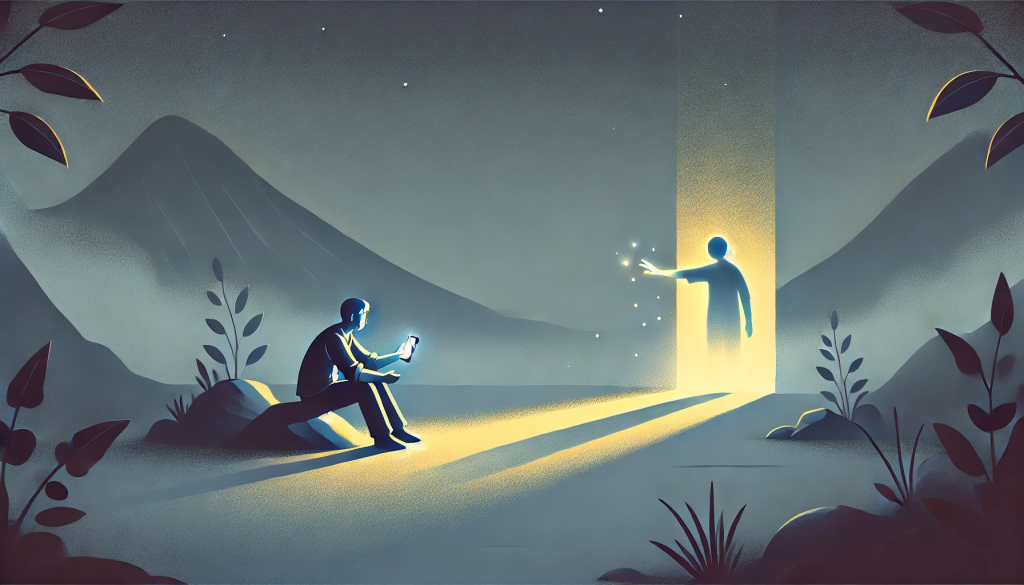
When most people think about addiction, they focus on the substance or behaviour itself. The common narrative is that addiction stems from chemical hooks or moral failure, and that recovery is simply a matter of willpower or avoiding the trigger. Johann Hari's TED talk, Everything You Think You Know About Addiction Is Wrong, offers a more human and evidence-based perspective. His core idea is that addiction is not just about the substance; it is often about disconnection. Neuroscience supports this view, showing that the experience of addiction is deeply tied to unmet social and emotional needs.
Understanding the brain's reward system
At the centre of addiction is the brain's reward system, driven by dopamine, a neurotransmitter involved in motivation, learning, and pleasure. When we do something enjoyable, whether connecting with others, exercising, or eating, dopamine is released to reinforce the behaviour. In addiction, substances or behaviours hijack this natural reward system. The initial dopamine spike is intense, and over time the brain adapts by becoming less sensitive to it. This leads to stronger cravings and more compulsive use. However, recent research suggests that addiction is not only the result of this chemical process; it also reflects a deeper deficit in connection and emotional safety.
What disconnection does to the brain
When someone feels socially isolated, the brain treats it as a form of chronic stress. Brain scans show that the anterior cingulate cortex, the same region that processes physical pain, also lights up during moments of rejection or exclusion. Ongoing disconnection can increase cortisol levels, shrink the hippocampus, and reduce neuroplasticity. These changes can impair impulse control, decision-making, and emotional regulation. In short, disconnection weakens the brain's ability to manage stress and increases vulnerability to addictive patterns. This is not about weakness or failure; it is a biological search for relief from emotional pain. You can read more about why social isolation is toxic for the brain to understand these effects in more depth.
What we learned from Rat Park
One of the most compelling studies in this area is the Rat Park experiment. Early addiction research involved isolating rats in cages with drug-laced water, and many consumed it compulsively and died. But in the Rat Park version, the rats were placed in a stimulating environment with space, toys, and social contact. In that setting, drug use dropped significantly. This study introduced an important idea: addiction may not be inevitable when environments are rich with connection and purpose. It suggested that the opposite of addiction might be found in community, not just in abstinence.
The healing power of connection
Strong social support is one of the most powerful predictors of long-term recovery. Whether it comes from therapy, support groups, or meaningful relationships, feeling supported and understood helps regulate stress and reduce the drive to escape through substances. Connection boosts oxytocin, a hormone that promotes bonding and trust. Oxytocin helps reduce the effects of the stress response, lowers blood pressure, and creates a sense of emotional safety. These effects are especially helpful during difficult periods when the risk of relapse is high. Importantly, connection also supports healthier dopamine function, offering the brain positive reinforcement through relationships rather than substances.
When society gets it wrong
If addiction is partly driven by disconnection, then models of punishment and exclusion may actually make things worse. Criminalisation and stigma create more isolation and shame, pushing people further from the relationships that support healing. Recovery is not just about removing harmful substances; it is about rebuilding dignity, belonging, and a sense of meaning. The hidden shape of everyday addiction is worth exploring too, since not all addictive patterns are obvious or extreme.
Reconnection in everyday life
Healing does not begin with willpower alone. It begins with small steps toward reconnection, whether that means reaching out to a friend, joining a local group, or seeing a therapist. Even small acts of kindness or daily social rituals can buffer the brain against stress and reduce the pull of addiction. Support from others should focus on empathy over advice, and presence over pressure. For people in recovery, feeling seen and accepted is a powerful protective factor.
Final thoughts
Addiction is not just about substances or bad choices; it is a complex response to disconnection, stress, and unmet emotional needs. When we shift our focus from punishment to compassion, and from isolation to inclusion, we open up real possibilities for recovery. Connection is not a luxury; it is protective, preventative, and deeply human. If you or someone you care about is navigating this, our team at Contemporary Psychology in St Kilda is here to help.