blog
Emotions Are Data, Not Directions
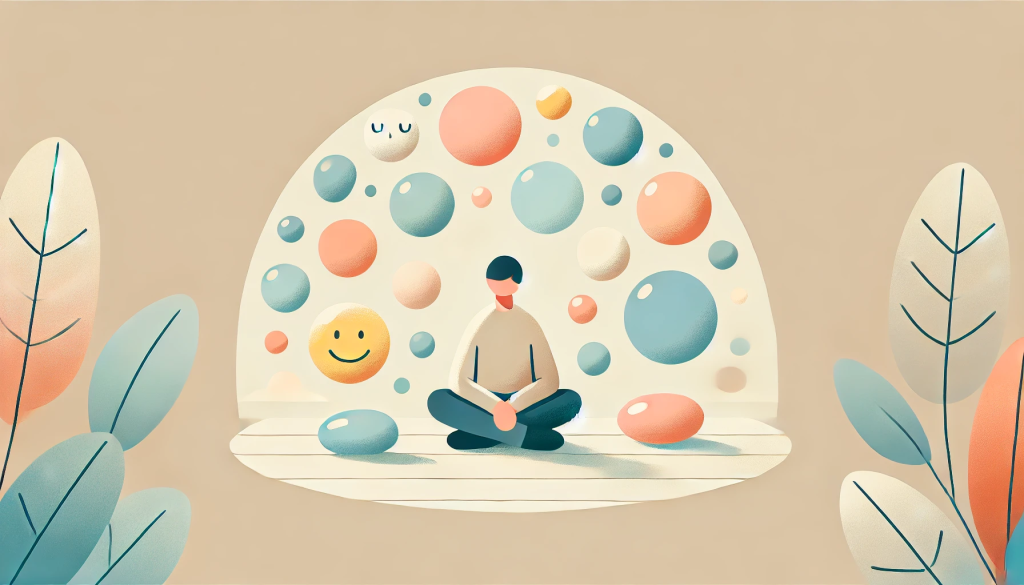
Emotions are an essential part of the human experience, yet many people struggle with how to relate to them. Some react quickly and intensely, letting emotions drive impulsive decisions. Others suppress or dismiss their feelings to stay in control. The truth sits somewhere in the middle. Emotions are valuable sources of information; they tell us what matters, what feels off, and where our needs are not being met. They are data, not instructions. When we learn to listen without immediately reacting, emotions become a guide rather than something to fear or avoid.
What emotions are really telling us
Emotions act as an internal signalling system. They offer clues about our values, boundaries, relationships, and wellbeing. Anxiety may signal uncertainty or a need for support. Anger may signal a crossed boundary or a sense of injustice. Sadness may signal loss, unmet needs, or the need for comfort. Joy may signal alignment, meaning, or connection. When we treat emotions as data, we move away from judging them as good or bad and instead ask what they are trying to communicate. This shift increases emotional intelligence, self-awareness, and resilience. It connects to the broader principle explored in treating emotions as data rather than directions.
The problem with reacting or suppressing
Most people learn one of two habits when dealing with emotions: reacting or suppressing. Reacting means emotions take the steering wheel, decisions are made impulsively, relationships become strained, and the nervous system remains on high alert. Suppressing emotions may appear calm from the outside, but it often leads to tension, burnout, disconnection, and physical symptoms. Both extremes block access to insight. The aim is not to act on every feeling, nor to push emotions away, but to pause long enough to understand what the emotion is trying to tell us. That pause is where clarity lives.
The science behind the pause
The brain's threat system is triggered when emotions rise quickly, especially emotions linked to fear, shame, or anger. This can switch the body into a survival state where we are more likely to react automatically rather than thoughtfully. Pausing allows the brain to move from the emotional centres into the prefrontal cortex, the part responsible for reasoning, perspective, and problem-solving. Even a few slow breaths can calm the nervous system enough to respond rather than react. This is why the goal is not to eliminate emotional responses, but to create space between the feeling and the action. Insight, compassion, and wise choices happen in this space.
How to listen to your emotions without letting them lead
- Name the emotion: Putting words to a feeling helps the brain regulate it. For example, "I feel overwhelmed" or "I feel disappointed."
- Get curious, not judgemental: Ask what this emotion is trying to tell you right now. Curiosity opens the door to understanding.
- Check the facts: Emotions are real, but they are not always accurate reflections of truth. Ask whether this feeling is based on the present moment or past experience.
- Allow the feeling to be felt: Emotions move through more quickly when acknowledged. Avoiding them often keeps them stuck.
- Choose a response intentionally: Once the message is understood, choose how you want to respond in a way that aligns with your values.
Why this approach strengthens resilience
When you learn to treat emotions as information rather than commands, you build emotional maturity. You become less reactive, more grounded, and more able to navigate stress, relationships, and decision-making with clarity. This approach strengthens self-trust: you learn that you can feel big emotions without being consumed by them. You can hold discomfort and still act in alignment with what matters most. This is also central to developing a healthier relationship between your inner critic and your inner coach.
Final thoughts
Emotions are messages, not instructions. They provide valuable data about your needs, boundaries, and values. When you pause, name what you feel, and respond with intention, emotions become a guide toward clarity, connection, and personal growth. If you find it difficult to manage emotional intensity or would like support in strengthening emotional regulation, our team at Contemporary Psychology in St Kilda is here to help.