blog
What We Can Learn About Ourselves From Stress
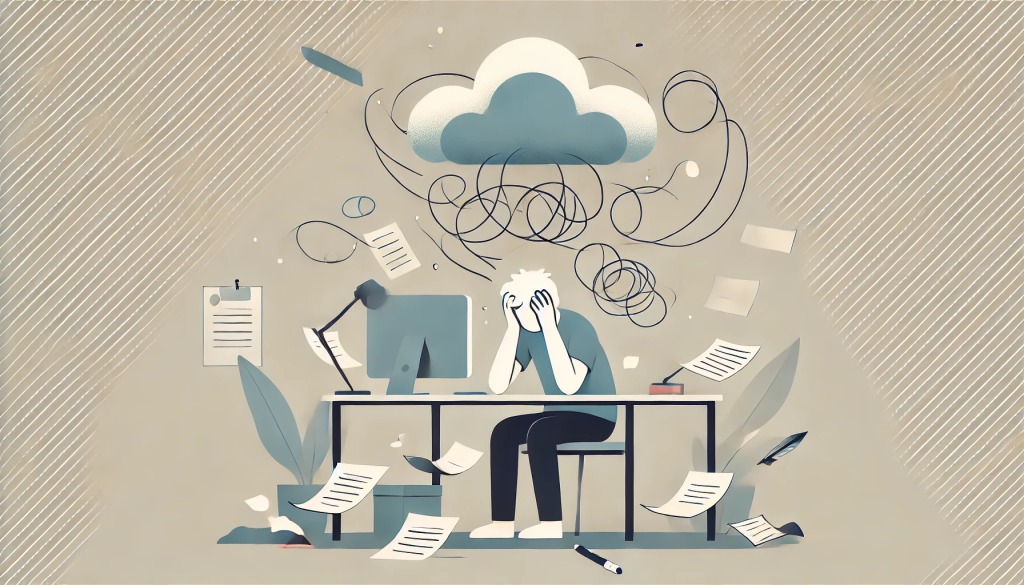
Stress is often viewed as something purely negative, something to eliminate as quickly as possible. Yet research shows stress is far more nuanced than that. It can act as a mirror, reflecting what matters most to us, how we manage pressure, and where our boundaries and strengths lie. When we pay attention to these signals, stress shifts from being an adversary to becoming a genuine teacher.
Stress as a signal of meaning
Stress rarely appears out of nowhere. It tends to arise when something significant is at stake: the looming deadline, tension in a meaningful relationship, or the weight of a life transition. These moments trigger stress precisely because they touch on what we value. Rather than interpreting stress as a burden, we can reframe it as a signal to pause and reflect on our priorities. Stress highlights the moments when core values and goals come into focus, which can help us direct energy more deliberately, investing in what matters most rather than scattering effort across distractions.
What stress reveals about coping patterns
Stress has a way of drawing out our default responses. Some people tackle challenges head-on, others withdraw, and some freeze in indecision. Neuroscience reveals that under pressure, the amygdala becomes activated, triggering fight, flight, or freeze responses. Becoming aware of these patterns is powerful because it shows both strengths and blind spots. Avoidance may feel like relief in the short term, but it often prolongs difficulties. In contrast, strategies such as reframing the meaning of a stressor or reaching out for support are consistently linked to better outcomes. Reflecting on how we typically respond gives us an opportunity to nurture helpful strategies and interrupt the cycles that keep us stuck. If you are curious about how this connects to chronic baseline stress, it is worth exploring how the body holds on to tension over time.
Resilience and growth through stress
Although stress is uncomfortable, it can also be a context for genuine growth. The brain's capacity for neuroplasticity means it strengthens in the areas we practise. Utilising skills such as mindfulness, self-compassion, or cognitive reframing during stressful periods helps build neural pathways that make these responses more automatic over time. With repeated practice, stress becomes a training ground for resilience rather than a drain on it. This shift in mindset enables us to view stressful experiences not only as obstacles but also as opportunities to cultivate emotional strength, adaptability, and a clearer sense of purpose.
Recognising limits as a form of care
Chronic stress, however, points to imbalance. It suggests a mismatch between demands and resources and is often a sign of overcommitment or neglect of recovery. Recognising and respecting limits is not a sign of weakness; it is an essential act of care that protects long-term performance and wellbeing. Setting boundaries, adjusting expectations, and prioritising recovery are all ways to restore balance. Rest, connection, and good nutrition are not optional extras but essential supports that enable sustained effectiveness. You can read more about how stress shows up in the body before burnout to understand the early warning signs.
Practical strategies to learn from stress
- Notice triggers: Keep track of recurring stressors and reflect on the values they reveal.
- Reflect on your coping patterns: Pay attention to whether avoidance, confrontation, or overanalysis dominates your responses, and consider which approach is most helpful.
- Reframe challenges: Ask yourself what useful outcome could emerge from this situation, to help shift your perspective.
- Protect recovery: Build consistent routines for rest, movement, and connection.
- Seek support: Discussing stress with trusted people can reveal new perspectives and help strengthen coping strategies.
Final thoughts
Stress is not only a hurdle to overcome; it is also a source of insight. It signals what matters most, exposes coping styles, and, when approached with intention, helps build resilience and adaptability. By treating stress as information rather than an enemy, we can structure our lives to not only withstand pressure but to grow from it, cultivating deeper self-understanding and strength. If you would like to explore this further, our team at Contemporary Psychology in St Kilda is here to help.