blog
The Nicholas Chavez Edit: A Psychologist's Perspective
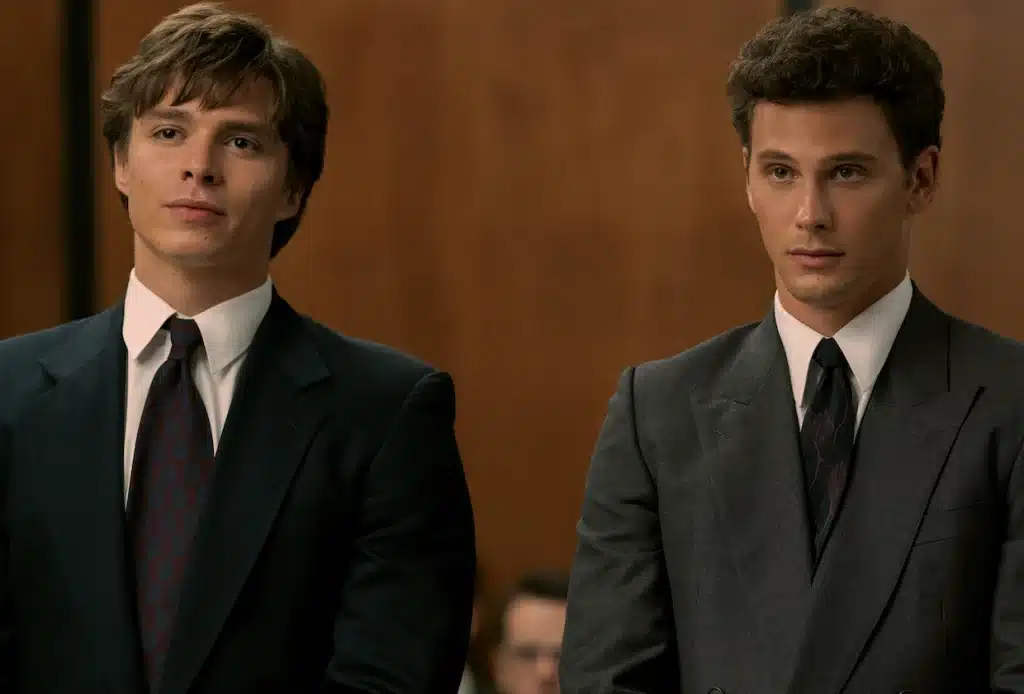
The sound bites, the images, the show, the murders. How did obsession with the darkness of men become so captivating on social media? It is worth pausing to ask that question seriously.
A pattern that keeps repeating
When actor Zac Efron played serial killer Ted Bundy in Extremely Wicked, Shockingly Evil and Vile in 2019, it sparked a heated debate about the choice to cast someone so iconically attractive in the role of one of history's most violent offenders. And yet, if you look back at the original court case footage, Bundy was surrounded by women who were passionate defenders of him or at minimum deeply, fascinatedly drawn to him. One woman interviewed at the time confirmed she was very, very fascinated by him. Then in 2022, actor Evan Peters played Jeffrey Dahmer in Monster: The Jeffrey Dahmer Story. A TikTok edit of him flirting with a girl, set to the song I'm a lady killer, accumulated 1.7 million likes. More recently, a 30-second edit of Nicholas Chavez playing real-life killer Lyle Menendez, often half-naked or styled as a wealthy young man in his early twenties, received over 55 million views. It sparked a mass following of the actor, the Netflix series, and widespread advocacy for the Menendez brothers' release. We are, again, very fascinated.
What is actually driving the attraction
Hybristophilia, defined as sexual arousal linked to a partner's violent or criminal actions, plays a significant role in explaining why some people find themselves drawn to murderers or those who play them. Researchers describe it as involving sexual arousal tied to the knowledge of a partner having committed an act of violence, suggesting an attraction to a predatory quality. This dynamic is reinforced by cultural narratives that frequently romanticise violent figures, creating a backdrop that heightens the allure. Physical attractiveness also shapes how we perceive criminality. Studies show that attractiveness influences how offenders are treated within the justice system, and this bias extends into how audiences respond to dramatic portrayals (Beaver et al., 2019). When danger and beauty are combined in a single figure, the narrative becomes, for some, compelling in ways that are worth examining honestly rather than dismissing. Emotions are information, and the intensity of attraction in these cases is itself data about what we find meaningful or exciting, even when those feelings make us uncomfortable.
The question worth sitting with
Social media accelerates all of this. The Nicholas Chavez edit is a product of an environment designed to surface content that triggers intense emotional responses, regardless of context. The neuroscience of dopamine-driven scrolling helps explain why content like this spreads so far and so fast. It is worth pausing, if you find yourself caught in that spiral, and asking: is it Nicholas Chavez you are responding to, or Lyle Menendez? And what does that distinction reveal about what you are actually seeking?
Final thoughts
Cultural obsessions with dark, attractive figures are not new, but their scale and speed are. Examining what draws us to them is not about shame; it is about self-awareness. If you would like to explore what your emotional responses to these kinds of stories might be telling you about yourself, our team at Contemporary Psychology in St Kilda is here for that conversation.