blog
Dealing With Bittersweet Feelings During the Holiday Season
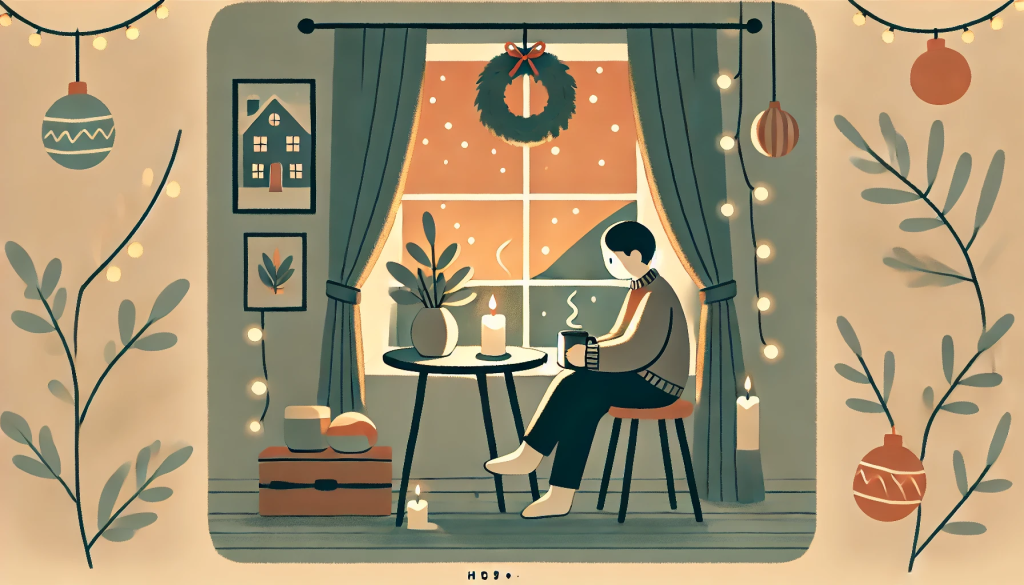
The holiday season can be a strange emotional mix, part warmth and part ache, often in the very same moment. While the world around you seems to speed up with parties, family gatherings, and expectations of cheer, your inner world might hold grief, stress, or quiet disappointment, especially if there is family dysfunction, unresolved tension, or relationship struggles simmering under the surface. Bittersweet feelings at this time of year are not a sign that you are failing at Christmas. They are usually a sign that people, memories, and complicated family dynamics matter deeply to you, and your nervous system is simply responding to all of that meaning at once.
Why feelings get mixed at Christmas
For many people, Christmas brings together memories, expectations, family histories, and cultural stories about how things should look, which naturally stirs up complex emotions. It is very common to feel sadness, nostalgia, irritation, gratitude, and joy all taking turns across the same day. Mixed feelings are not a sign that something is wrong with you. They are usually a sign that something really matters to you.
Bittersweet feelings often show up more strongly if you are grieving, going through a life transition, or comparing this year with a time that felt easier. Even positive changes such as a new baby, a new relationship, or finally living in a different city can carry quiet grief for what has been left behind. The nervous system tends to be more sensitive when there are many changes at once, which can make reactions feel bigger than they should be. If you find yourself overwhelmed by the season, it can help to read more about how stress shows up in the body before burnout hits.
Acknowledge the bittersweet
One of the most powerful things you can do is simply name what is there. Instead of telling yourself you should be happy or should just get over it, try saying something like: "Part of me feels sad, and another part of me is looking forward to seeing people." This opens up space for more than one truth to exist at once, which is often much kinder than forcing yourself into a single emotion.
You might notice certain moments that reliably bring up emotion, such as hearing a particular song, setting the table, or seeing old ornaments. Rather than pushing these reactions away, you can quietly acknowledge them: "No wonder this feels tender, this reminds me of Dad." Then choose what you need next, whether that is a pause, a cup of tea, or a brief step outside. Naming the feeling does not make it bigger. It usually makes it more manageable. This is closely related to the idea that emotions are data, not directions.
The pressure to be merry
Social media, advertising, and even well-meaning friends can create the sense that everyone else is having a magical, uncomplicated Christmas. When you are carrying grief, stress, or simply exhaustion, this pressure can quickly turn into shame: "What is wrong with me that I cannot just enjoy this?" Recognising that you are responding to unrealistic cultural expectations, rather than failing a test, can reduce some of that weight.
It can help to quietly adjust your own expectations of the season. Instead of aiming for a perfect Christmas, you might aim for a gentle Christmas, a simple Christmas, or even a Christmas you get through without burning out. Taking the target down a few notches often makes space for unexpected moments of real connection, which rarely look like the photos in a catalogue.
Allowing both comfort and limits
Dealing with bittersweet feelings is not about forcing yourself into either full participation or full avoidance. It is often about finding a middle path, where you allow some contact with what matters while also respecting your limits. You might choose to attend a family gathering but shorten the time you stay, or say yes to lunch but no to the late night drinks afterwards.
It is also reasonable to adjust traditions if they no longer fit this version of your life. That could mean moving a celebration to a different time of day, inviting fewer people, or starting something new that reflects who you are now. When you give yourself permission to tweak the script, you are less likely to feel trapped or resentful, and more likely to notice small, genuine moments of comfort.
Practical ways to care for yourself
A few simple practices can make it easier to move through a bittersweet season without getting overwhelmed. Some ideas worth trying:
- Plan small reset moments during gatherings, such as a short walk, a breathing break, or a step outside
- Keep one or two people in mind that you can message if you need a quick grounding conversation
- Be mindful of alcohol or other ways of numbing, especially if they tend to intensify difficult feelings later in the day
- Choose one or two meaningful activities instead of trying to fit in everything and everyone
It can also help to check in with yourself beforehand: "What do I need to get through this day kindly?" Your answer might be something very ordinary, such as comfortable clothes, a drive home already planned, a quiet morning before social time, or permission to leave early if you need to. These are not signs of weakness. They are examples of emotional maturity, listening to your limits and acting accordingly.
Final thoughts
If bittersweet feelings are tipping into constant emptiness, numbness, or a level of distress that makes basic daily tasks hard, extra support can be very useful. Signs worth paying attention to include feeling disconnected from people you usually care about, difficulty sleeping or eating, frequent thoughts that things will never improve, or a strong urge to withdraw from everyone.
Speaking with a psychologist offers a confidential space to explore what this time of year brings up for you, not just in terms of the season but your broader story and patterns. Together you can make sense of your reactions, build skills for regulating emotion, and find ways of honouring both your losses and your hopes. It is never too small or too late in the year to ask for help. If you would like to explore this further, the team at Contemporary Psychology in St Kilda is here to support you through the season and beyond. You can also read more about navigating difficult emotions or explore why therapy can help when things feel heavier than usual.